A good Kenya safari packing list is surprisingly simple. You do not need a wardrobe full of “safari clothes”; you need comfortable layers, sun protection, practical footwear, a small day bag and the right camera or binocular setup for the way you like to travel.
The biggest packing mistake is bringing too much. Safari vehicles have limited luggage space, domestic flights may have stricter baggage rules than international airlines and constantly moving heavy suitcases makes multi-park travel harder.
Use this checklist together with the official Kenya Wildlife Service Safari Resources and our best time to visit Kenya guide, because the season affects the layers and rain protection you will need.
Kenya safari packing checklist at a glance
- Lightweight neutral shirts and T-shirts
- Long trousers plus comfortable shorts where appropriate
- Warm fleece, sweater or light insulated layer
- Light rain jacket
- Comfortable closed walking shoes
- Sandals or light shoes for evenings
- Wide-brim hat or cap
- Sunglasses
- High-factor sunscreen and lip protection
- Small soft-sided day bag
- Binoculars
- Camera, batteries and memory cards
- Phone charging cable and power bank
- Personal medication and a small personal first-aid kit
- Reusable water bottle if appropriate for your itinerary
- Travel documents and copies stored separately
What clothes should you wear on safari in Kenya?
Choose neutral, comfortable colours
Khaki, olive, beige, brown, grey and other subdued colours are practical because they hide dust and are unobtrusive in natural environments. Bright colours are not automatically dangerous on a normal vehicle-based safari, but neutral clothing is more versatile, especially if you plan guided walks or conservation activities.
Pack layers, not one heavy coat
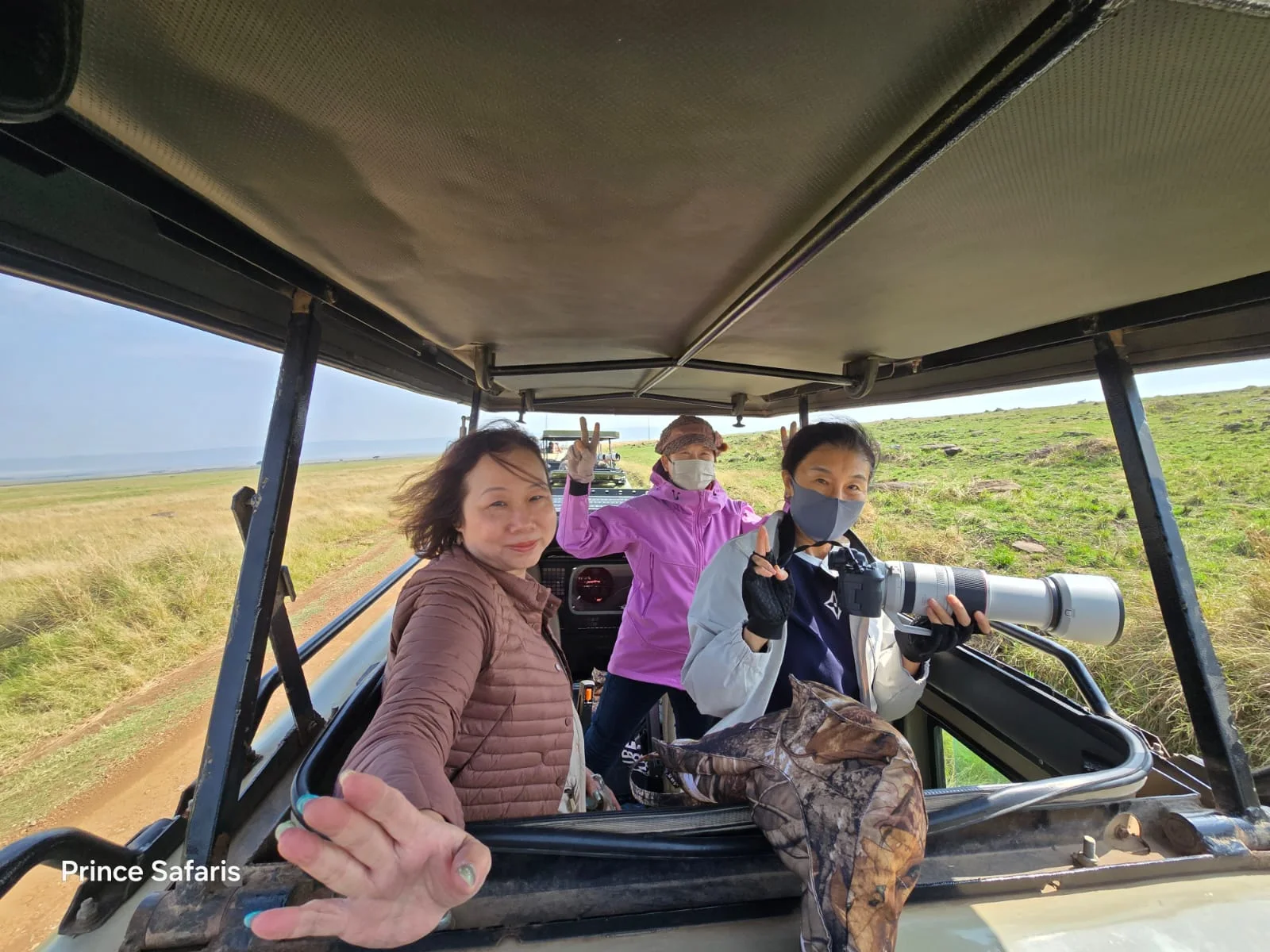
Kenya can surprise first-time travellers. Early mornings at altitude can be cold, while midday temperatures rise quickly. A T-shirt, light long-sleeved shirt and fleece layered together are usually more useful than a bulky winter coat. Open safari vehicles and predawn starts can feel much cooler than the forecast suggests.
Long sleeves are useful
Long-sleeved shirts help with sun protection, dust and cooler mornings. Choose breathable fabrics that dry quickly after washing. Two or three long-sleeved shirts are normally enough for a week when combined with T-shirts.
Trousers vs shorts
Lightweight trousers are the most versatile choice. Shorts can be comfortable around camps or during hot daytime transfers but offer less sun and insect protection. Zip-off trousers are useful for travellers who prefer one garment to do both jobs.
How many clothes do you need for a 7-day safari?
| Item | Suggested quantity | Notes |
|---|---|---|
| T-shirts / base layers | 3–5 | Quick-dry fabrics reduce how much you need |
| Long-sleeved shirts | 2–3 | Useful for sun and cooler periods |
| Safari trousers | 2–3 | Neutral, breathable and comfortable |
| Shorts | 1–2 | Optional depending on itinerary |
| Warm layer | 1 | Fleece, sweater or packable jacket |
| Rain layer | 1 | Light waterproof shell |
| Underwear / socks | Enough for 5–7 days | Handwashing can reduce quantity |
If your safari includes laundry service, pack even less. Always check the rules at your accommodation; some properties have limitations on laundering certain personal items.
Best footwear for Kenya safari
For most vehicle-based safaris, heavy hiking boots are unnecessary. A comfortable pair of closed walking shoes or lightweight trail shoes is ideal for dusty ground, airstrips and short walks. Pack sandals, trainers or another light pair for evenings.
If your itinerary includes serious hiking, Mount Kenya or extended walking safaris, footwear requirements change. Tell us during planning so the equipment list can match the activity.
Do you need binoculars?
Yes. Binoculars can transform a safari. Not every animal sits beside the road, and binoculars let you study birds, distant cats, elephant behaviour and landscapes without constantly asking the driver to move closer.
A common all-round size is 8x42 or 10x42. Eight-power binoculars are generally easier to hold steady; ten-power models give more reach. If you are a keen birder, bring your own rather than relying on a shared vehicle pair.
Camera gear for a Kenya safari
Phone only
Modern phones are excellent for landscapes, people and nearby animals. Keep expectations realistic for distant wildlife. Clean the lens frequently; safari dust can soften images quickly.
Interchangeable-lens camera
For wildlife, a telephoto zoom is extremely useful. A range reaching roughly 300mm or more on a full-frame-equivalent basis gives flexibility, while a second wider lens helps with landscapes, vehicles and environmental portraits. Avoid changing lenses unnecessarily in dusty conditions.
Bring more batteries and memory than you expect
Morning and evening game drives can generate thousands of images. Carry spare batteries, multiple memory cards and a simple backup plan. A portable SSD can be useful for serious photographers.
Dust protection
Keep equipment in a closed bag while driving on dusty roads. A lens cloth, small blower and protective cover are useful. Never use aggressive cleaning when fine dust may scratch a lens.
What goes in your safari day bag?
- Camera and binoculars
- Phone
- Sunscreen
- Hat
- Sunglasses
- Light fleece
- Rain shell
- Personal medication
- Small notebook
- Charging power bank
- Reusable water bottle where appropriate
Keep valuables with you rather than buried in checked luggage.
What to pack for cold safari mornings
Highland and Rift Valley mornings can be chilly, especially in open vehicles. If your route includes Lake Nakuru, Ol Pejeta or the Maasai Mara, keep a fleece accessible for sunrise drives. You may remove it by midmorning.
What to pack for Amboseli and Tsavo
Amboseli, Tsavo East and Tsavo West can be hot and dusty. Lightweight breathable clothing, a hat, sunglasses and sun protection matter. Dust gets everywhere, so choose clothes you do not mind wearing repeatedly and protect cameras when the vehicle is moving.
KWS describes Tsavo East as Kenya's largest national park and a vast semi-arid landscape; see the official KWS Tsavo East guide for destination context.
What to pack for the Maasai Mara
Pack for strong temperature changes. Sunrise drives can feel cold, while midday is warm. During migration season, you may spend long hours in the vehicle, so comfort matters more than fashion. A scarf or buff can help with dust, and binoculars are essential.
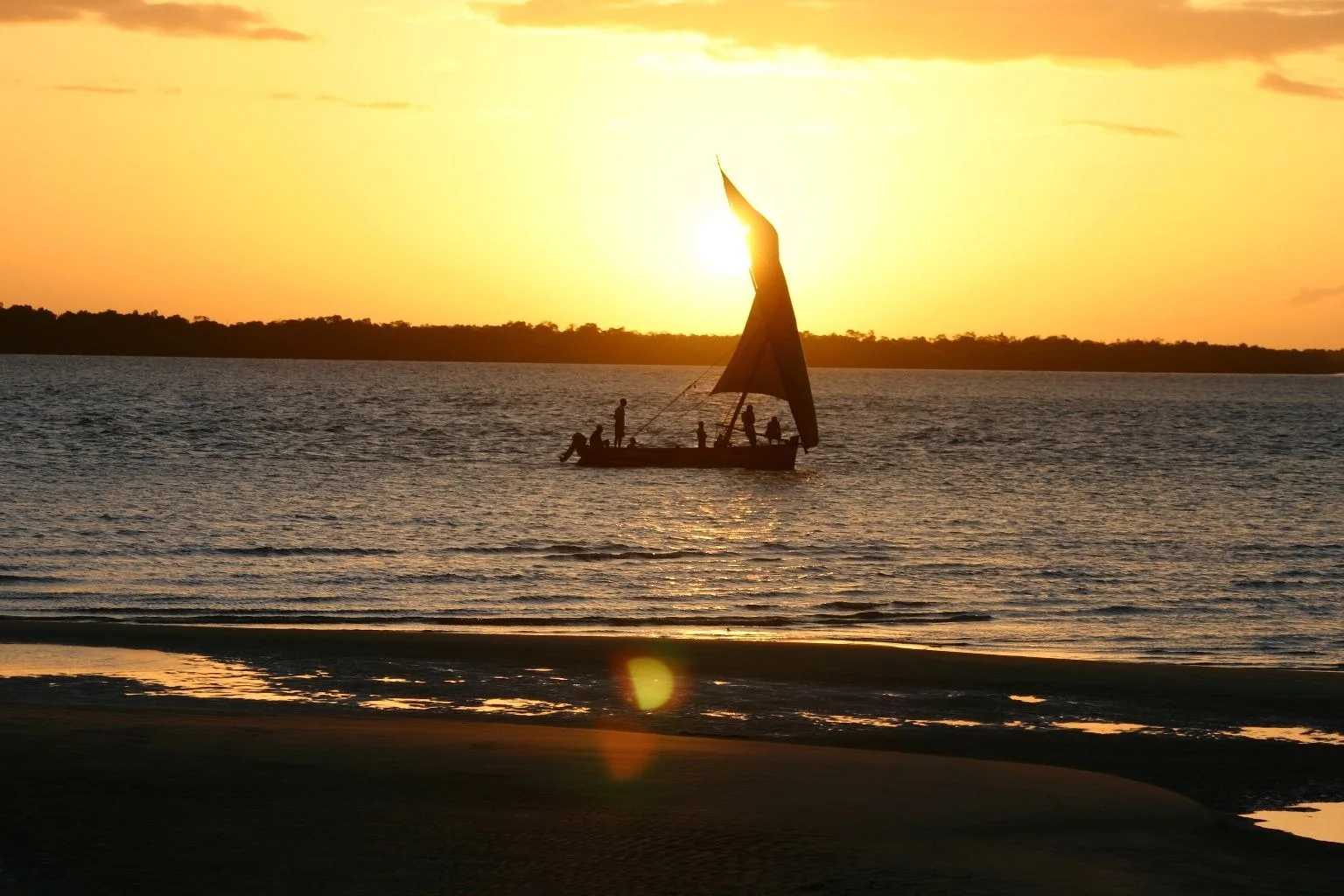
What to pack for a bush-and-beach safari
A bush-and-beach holiday needs two wardrobes, but keep both minimal. Add:
- Swimwear
- Light beachwear
- Reef-safe sun protection where available
- Sandals
- A lightweight evening outfit
- Dry bag or waterproof phone pouch for boat trips
Keep safari colours neutral for the bush and bring brighter clothing for the coast if you wish.
Documents and money
Carry your passport, travel insurance details, flight confirmations, safari contact details and any required entry documents. Requirements can change, so use official government channels for current entry information rather than relying on screenshots or old social-media posts. Keep digital copies securely backed up and a separate copy accessible to your emergency contact.
Medication and personal care
Bring enough of any prescription medication for the full trip plus a reasonable contingency. Keep medication in original packaging where possible and carry essential medicine in hand luggage. For vaccines, malaria prevention and individual health advice, consult a qualified medical professional or official travel-health authority; this guide is not medical advice.
Things you probably do not need
- Multiple heavy suitcases
- Formal evening wear on a standard safari
- Heavy hiking boots for vehicle-only safaris
- Too many camera lenses you will rarely use
- Large quantities of cash
- Camouflage military-style clothing
- Valuable jewellery you would worry about losing
Soft-sided luggage vs hard suitcase
Soft-sided bags are usually easier in safari vehicles and are often preferred on light-aircraft routes because luggage compartments can be small. If your itinerary includes domestic flights, always check the specific airline baggage limit before departure; limits and bag dimensions vary.
Responsible packing
Reduce single-use plastics where practical, do not leave litter in protected areas and follow guide instructions around wildlife. The Kenya Wildlife Service provides official information about protected areas and conservation responsibilities. Respectful behaviour is part of a good safari, not an optional extra.
Frequently asked questions
Can I wear black on safari?
Black is fine in a vehicle but can feel hot in strong sun and shows dust. Neutral mid-tone colours are usually more practical.
Can I wear white?
You can, but white becomes dusty quickly. Beige, khaki and grey are easier to live with on a road safari.
Do I need a safari hat?
A cap or wide-brim hat is highly useful for sun protection during stops, walks and open-vehicle drives.
What size bag should I bring?
That depends on your flights and route. If you are using small aircraft, ask for the operator's current baggage rules before packing.
Where can I plan the actual safari?
Browse our Kenya safari itineraries or send your trip details. Once we know your route, we can give you a more specific packing list for the exact season and activities.