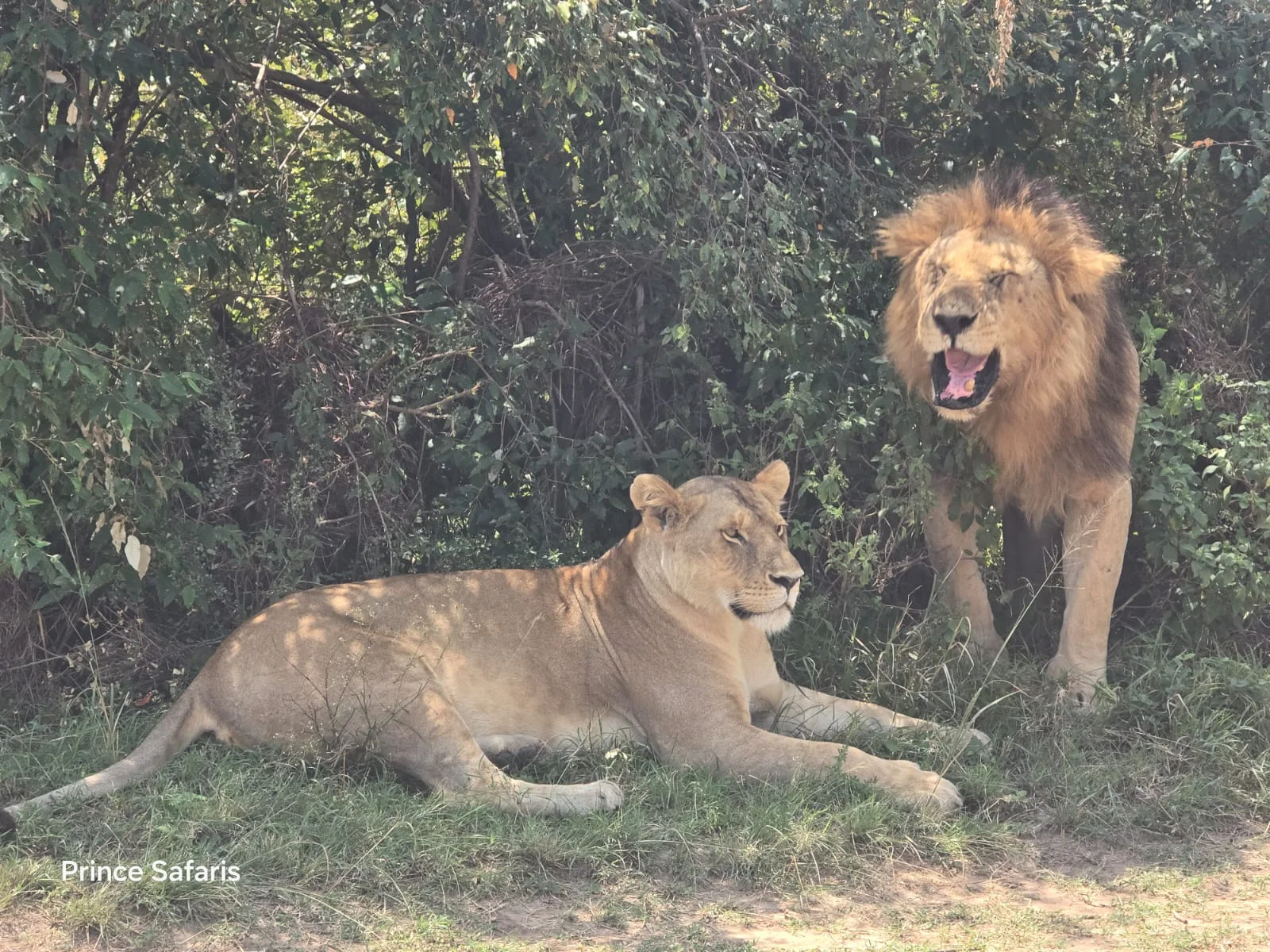
Follow Kenya’s lions, leopards and cheetahs
A big-cat safari emphasizes patient game viewing, early starts, careful positioning and time in habitats where predators hunt, rest and raise young. The Masai Mara is the headline destination, while Samburu, Tsavo, Meru and selected conservancies can add variety.
What it entails in practice: A patient wildlife safari centred on lion, leopard and cheetah ecology. it uses early mornings, late afternoons, careful positioning and time at quality sightings rather than constant movement between parks. The strongest version is built around predator-rich ecosystems such as the Masai Mara and selected Mara conservancies, with Samburu, Tsavo, Meru or Laikipia adding variety on longer itineraries.
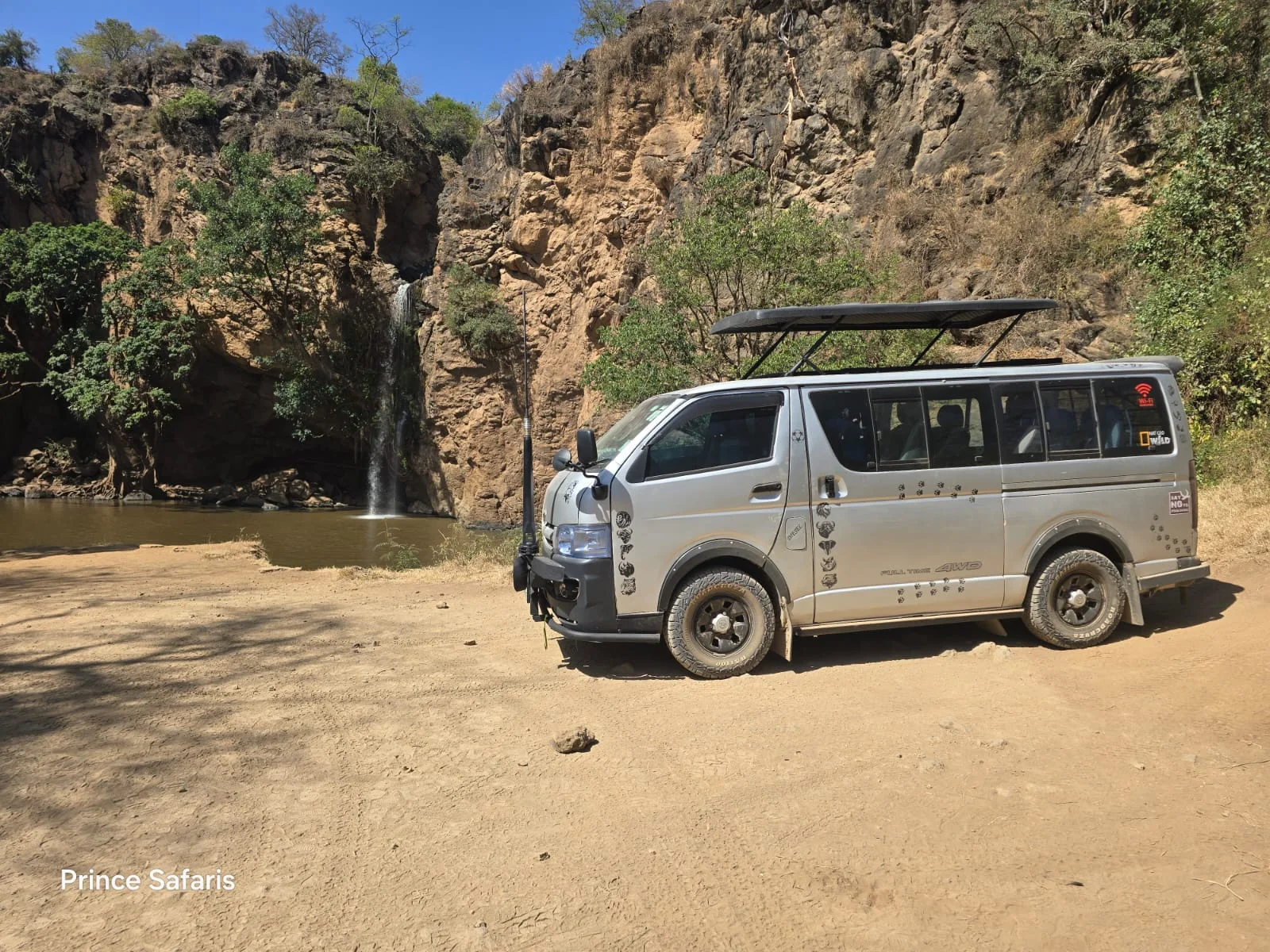
How Prince Safaris plans it: Private vehicle access is valuable for photographers and serious wildlife watchers because it allows more control over positioning and how long you remain at a sighting. Predator activity changes with temperature, prey movement and habitat. Big cats are present year-round. Cooler morning and evening periods are normally most productive, while migration season can add prey concentrations and dramatic predator activity in the Mara. Three nights in one predator-rich ecosystem is a useful minimum; five to seven days allows a second contrasting area without rushing.
Who it suits and what to expect: It is especially well suited to wildlife photographers, repeat safari travellers, natural-history enthusiasts and guests who prefer observation over checklist sightseeing. The daily programme remains a framework rather than a wildlife guarantee; weather, access, animal movement and activity operating rules can change the exact sequence while preserving the main purpose of the journey.
Flexible by design: this experience can be combined with other wildlife areas, cultural activities, conservation programmes or beach extensions where the route allows.