Experience Kenya on foot
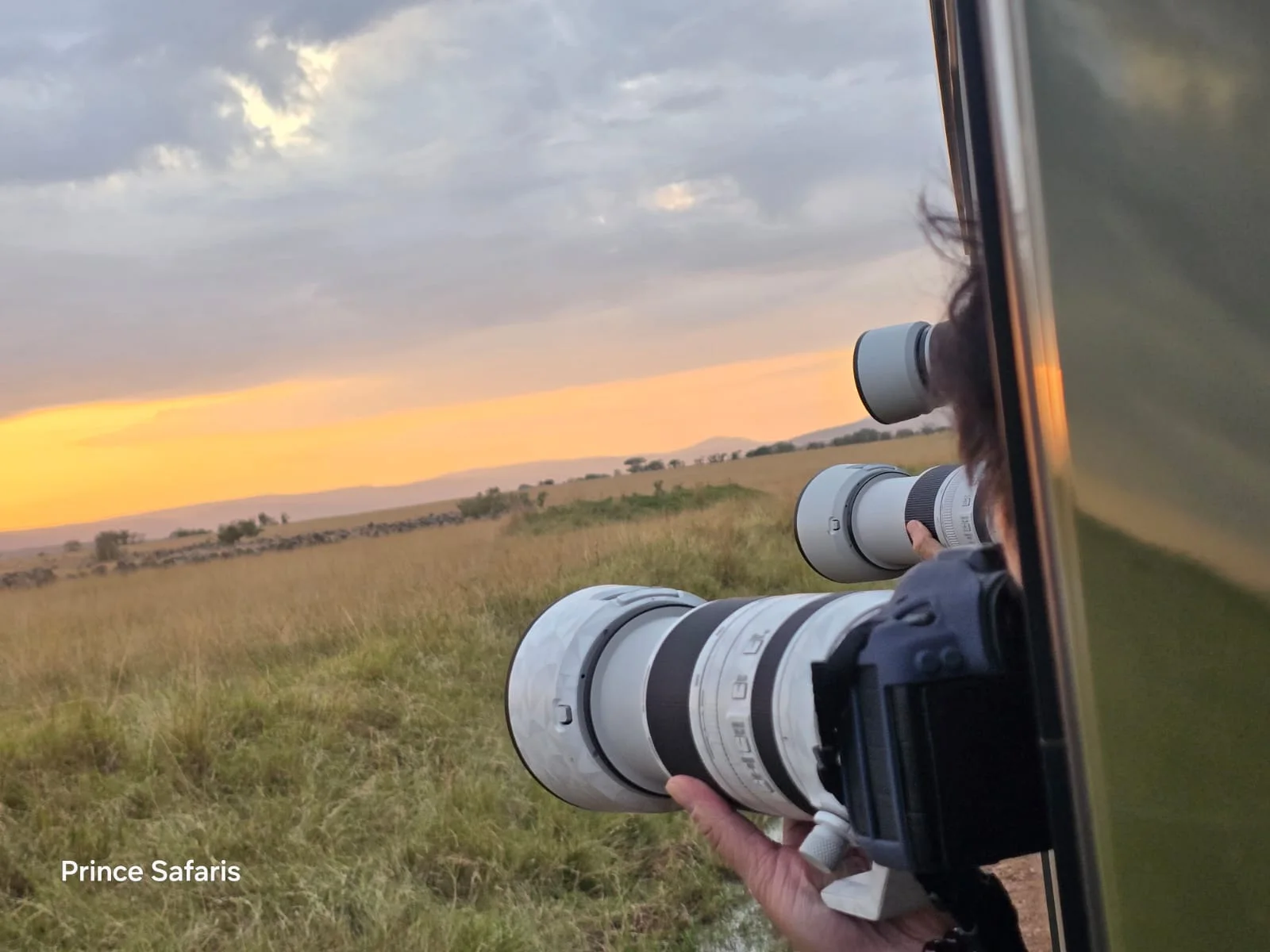
Walking changes the scale of safari. Instead of chasing distance, the emphasis shifts to tracks, behavior, plants, birds, geology and awareness of the landscape. Walking is only offered where regulations and local conditions permit, often with trained guides in conservancies or selected parks.
What it entails in practice: A guided on-foot experience that shifts attention from long-distance wildlife searching to tracks, plants, birds, insects, geology, animal signs and the sensory detail of the landscape. The strongest version is built around private conservancies and selected protected areas or designated trails where walking is officially permitted and professionally guided.
How Prince Safaris plans it: Walking must follow local rules and safety requirements. Route length, ranger/guide requirements, wildlife conditions, weather and guest fitness all influence what is possible on the day. Cooler morning and late-afternoon periods are normally most comfortable. Rain, heat and wildlife movement can alter routes or lead to a shorter walk. A two- to four-hour walk can be added to a normal safari; specialist walking itineraries need more time and careful destination selection.
Who it suits and what to expect: It is especially well suited to active travellers, naturalists, repeat safari guests and visitors who want to learn how to read the bush beyond large mammals. The daily programme remains a framework rather than a wildlife guarantee; weather, access, animal movement and activity operating rules can change the exact sequence while preserving the main purpose of the journey.
Flexible by design: this experience can be combined with other wildlife areas, cultural activities, conservation programmes or beach extensions where the route allows.