Tailor-made wildlife safaris, beach holidays and cultural journeys across East Africa

Photographic Safari

Bush & Beach · Experience

Photographic Safari

Safari itineraries designed around light, wildlife behavior, vehicle positioning and time at sightings, with private guiding where flexibility matters most. It is planned around the Masai Mara, Amboseli, Samburu, Laikipia, Lake Nakuru and other visually strong…

Experience guide

Make photography the rhythm of your safari

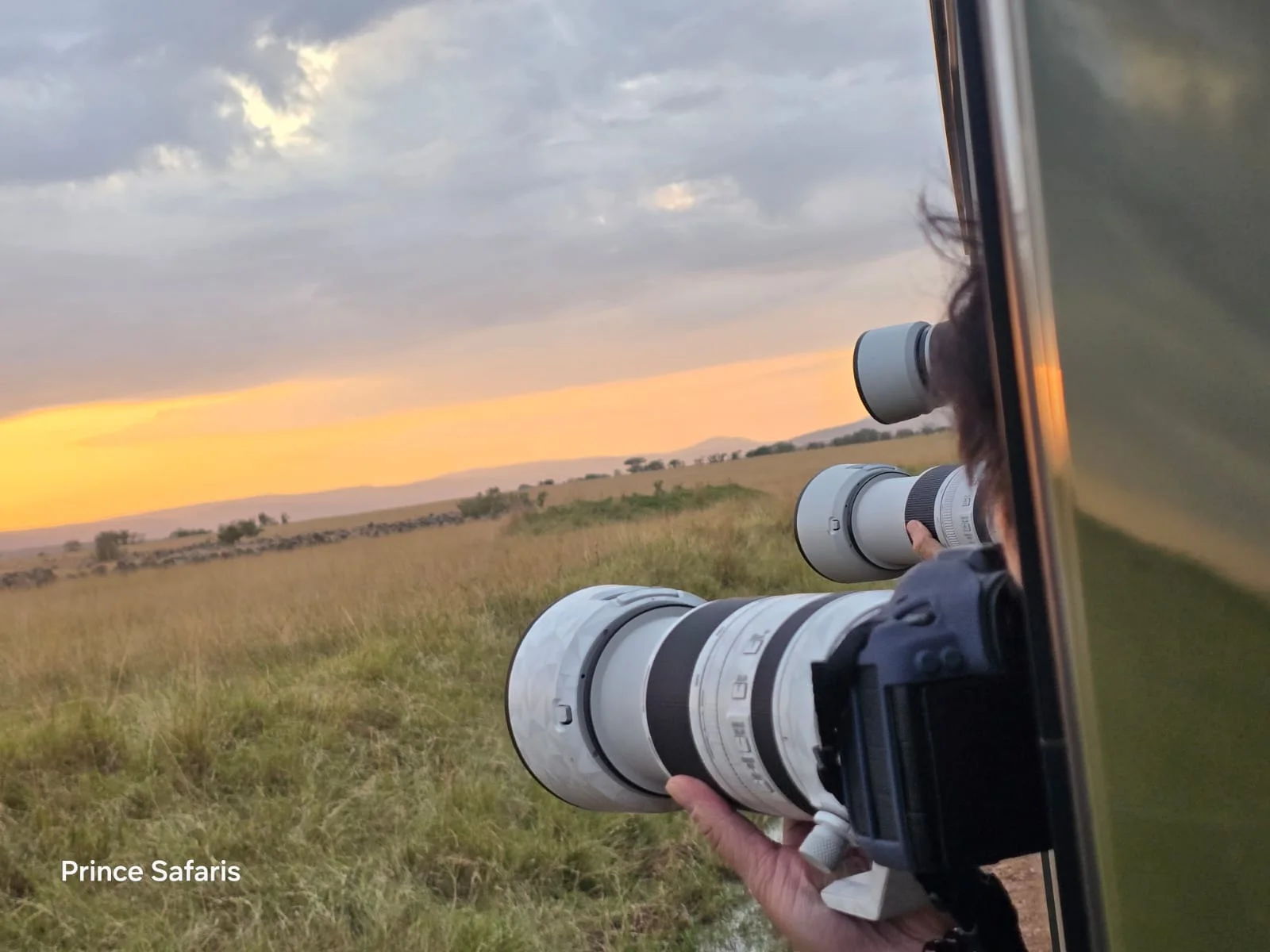
Photographic safaris prioritize time and positioning over covering distance. Early departures, patient waits, clean sight lines, less crowded conservancies where possible and guides comfortable with photographers can make a major difference.

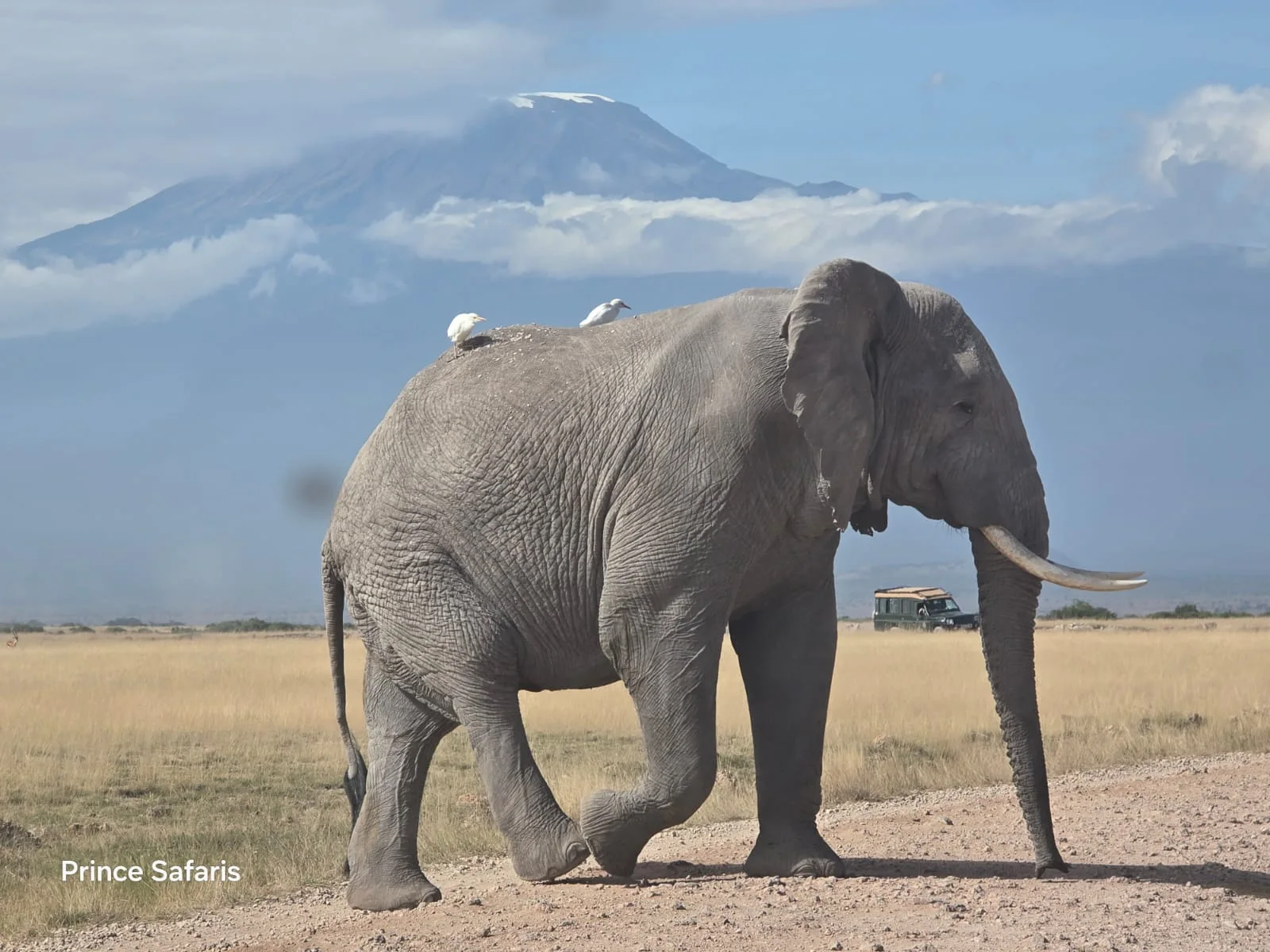
What it entails in practice: A safari designed around light, angles, time at sightings and the practical needs of camera equipment. it prioritises quality encounters over distance covered and usually benefits from a private vehicle or very small group. The strongest version is built around the Masai Mara, Amboseli, Samburu, Laikipia, Lake Nakuru and other visually strong landscapes chosen around the subjects you want to photograph.

How Prince Safaris plans it: Discuss camera bodies, lenses, beanbags, charging, dust protection and seating before departure. The guide should understand positioning, backlight, backgrounds and when patience is more useful than chasing another sighting. The best season depends on subject: migration, elephants, birds, green landscapes and newborn animals all have different strengths. Dawn and late afternoon remain important for light throughout the year. Four to seven days works well for one or two strong areas; ten days or more allows slower specialist coverage across several ecosystems.

Who it suits and what to expect: It is especially well suited to serious photographers, content creators, keen hobbyists and travellers who value image-making as much as species count. The daily programme remains a framework rather than a wildlife guarantee; weather, access, animal movement and activity operating rules can change the exact sequence while preserving the main purpose of the journey.

Flexible by design: this experience can be combined with other wildlife areas, cultural activities, conservation programmes or beach extensions where the route allows.
Who it is for

Who will enjoy this experience most?

For serious photographers, content creators and travelers who simply want better opportunities to come home with strong images. In practical terms, it is strongest for serious photographers, content creators, keen hobbyists and travellers who value image-making as much as species count. Discuss camera bodies, lenses, beanbags, charging, dust protection and seating before departure. The guide should understand positioning, backlight, backgrounds and when patience is more useful than chasing another sighting.

Available journeys

Photographic Safari safari packages

Browse published journeys using this experience, or ask us to tailor the route, pace and comfort level around your dates.

0 tours found

No published tours match these filters

Try a broader search or ask us to create a journey for your dates, learning goals and group.

Request a custom journey
How it can work

A sample experience programme

The final route, sequence and duration are adjusted to your dates, group, interests and practical travel times.

Step 1

Shape the experience around your dates

Confirm travel dates, group size and priorities, then choose the strongest base areas for photographic safari. The route is matched to the Masai Mara, Amboseli, Samburu, Laikipia, Lake Nakuru and other visually strong landscapes chosen around the subjects you want to photograph without adding distant stops that dilute the core experience.
Step 2

Use the best activity windows

Build the main field time around the conditions that matter most. Discuss camera bodies, lenses, beanbags, charging, dust protection and seating before departure. The guide should understand positioning, backlight, backgrounds and when patience is more useful than chasing another sighting. Your guide adjusts timing and positioning to current access, weather and local wildlife or activity conditions.
Step 3

Add depth instead of rushing

Spend enough time to understand the habitat, behaviour and context behind the experience. Four to seven days works well for one or two strong areas; ten days or more allows slower specialist coverage across several ecosystems. Complementary destinations or activities are added only when they strengthen the route.
Step 4

Finish with a logical onward connection

Use the final session for another quality experience, then connect to the next safari area, Nairobi or the coast. The final quotation confirms transfers, entry fees, activity reservations and any optional upgrades.
Planning information

Frequently asked questions

Useful answers before choosing this experience.

What does a Photographic Safari include?

A safari designed around light, angles, time at sightings and the practical needs of camera equipment. it prioritises quality encounters over distance covered and usually benefits from a private vehicle or very small group. Typical inclusions depend on the package, but the confirmed quotation will state the game drives, guides, activity fees, transfers and other services that are actually included.

Where is the best place in Kenya for photographic safari?

The route is normally built around the Masai Mara, Amboseli, Samburu, Laikipia, Lake Nakuru and other visually strong landscapes chosen around the subjects you want to photograph. The best choice depends on season, trip length, budget and how this experience fits with the rest of your Kenya itinerary.

How much time should I allow for photographic safari?

Four to seven days works well for one or two strong areas; ten days or more allows slower specialist coverage across several ecosystems. Trying to compress the experience too aggressively usually increases transfer time and reduces the quality of the actual activity.

When is the best time for photographic safari?

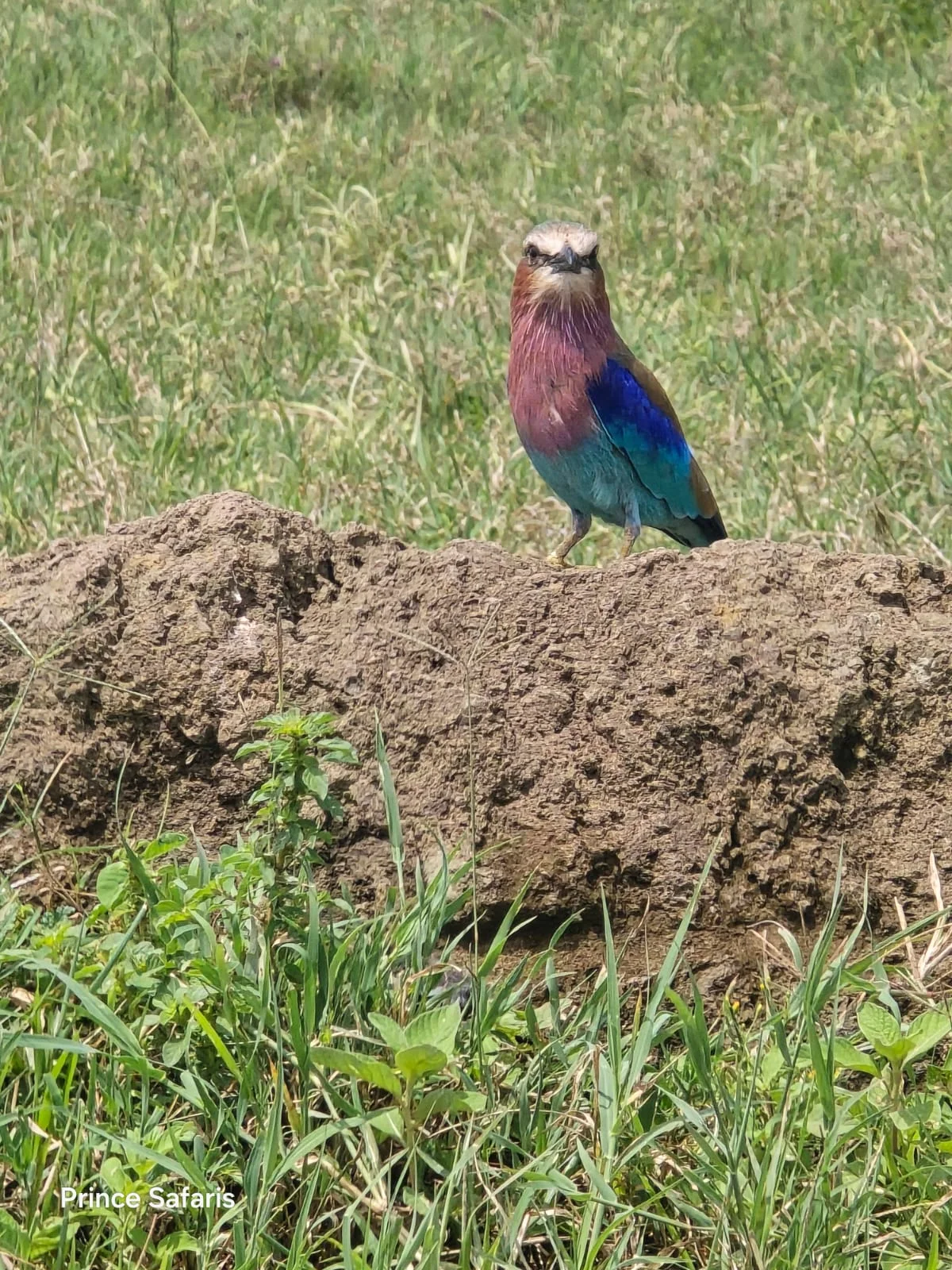
The best season depends on subject: migration, elephants, birds, green landscapes and newborn animals all have different strengths. Dawn and late afternoon remain important for light throughout the year. Exact conditions vary from year to year, so seasonal guidance is used for planning rather than as a guarantee.

What affects the price of a Photographic Safari?

Private vehicles and extra nights usually cost more but provide the biggest gains in flexibility and camera positioning. Your final quote should also make clear which park, reserve, conservancy or specialist activity fees are included.

Can photographic safari be combined with another safari experience?

Yes. It can be combined with compatible wildlife, conservation, cultural, active or coastal experiences when travel time and operating rules make the combination sensible. Prince Safaris can also remove unnecessary stops to keep the journey well paced.

Bush & Beach · Experience

Plan your Photographic Safari

Share your dates, group size, budget range and the part of photographic safari that matters most to you. We will match the right destinations, travel time and published packages, then tailor the route where needed.