Explore Kenya through its birdlife
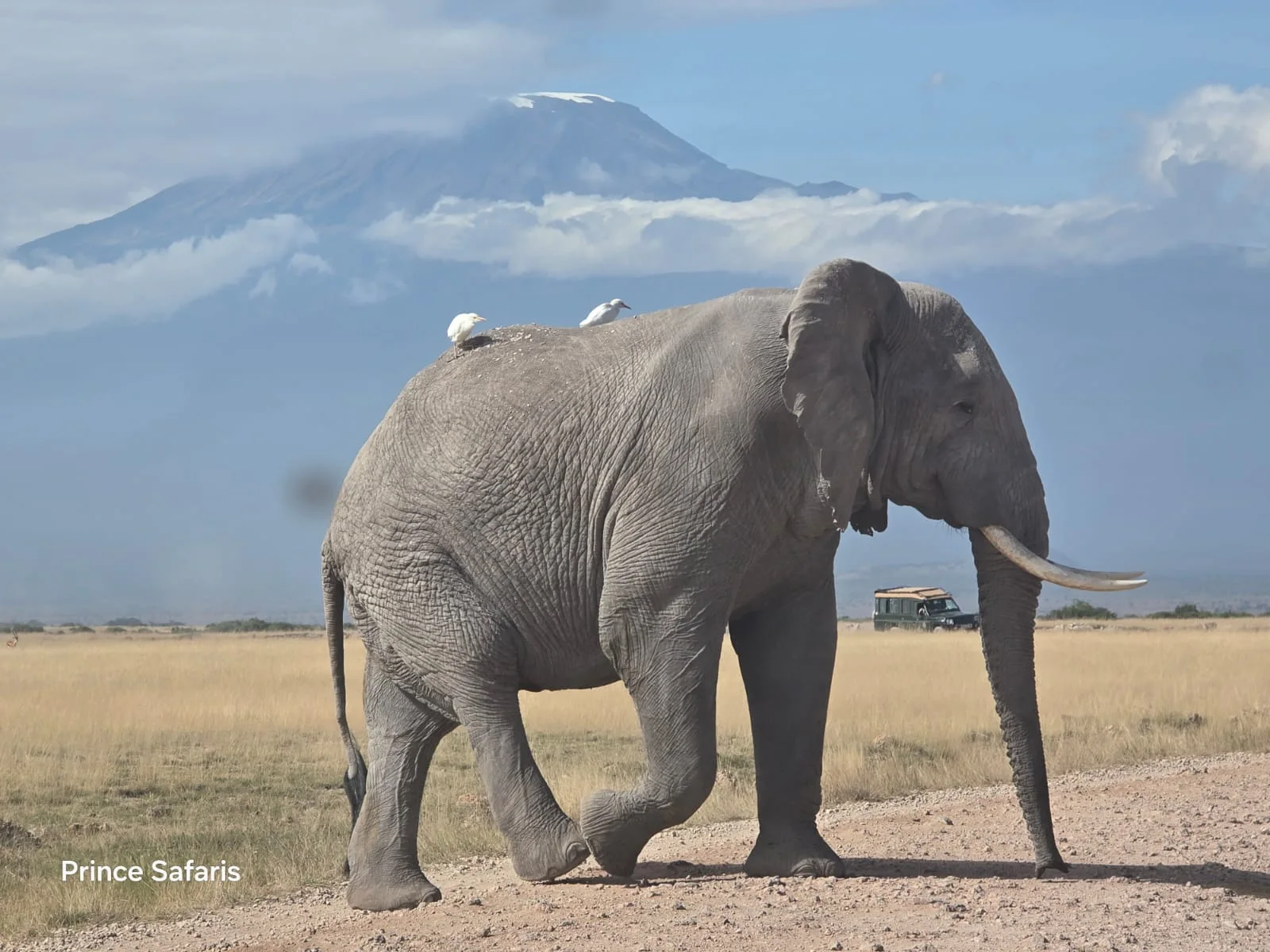
Kenya’s habitat diversity makes it rewarding for both casual birdwatchers and specialist birders. Rift Valley lakes, Kakamega Forest, Arabuko Sokoke, Samburu country, wetlands and open savannah can be combined according to target species and season.
What it entails in practice: A slower nature safari built around habitat diversity, identification and observation rather than constant park-to-park movement. birding can be specialist-led or integrated into a normal wildlife itinerary for guests who simply want more attention to birds. The strongest version is built around Rift Valley lakes, highland forests, coastal forests, savannah, wetlands and northern dry country selected around target species and season.
How Prince Safaris plans it: Target lists should be discussed before travel. A specialist birding guide, early starts, binoculars and time in different habitats matter more than adding many destinations. Kenya offers strong resident birding throughout the year, while roughly November to April can add many Palearctic migrants. Rainfall can improve habitat but may affect road access in some areas. A casual birding extension can be two or three days; serious multi-habitat birding is better with seven to fourteen days.
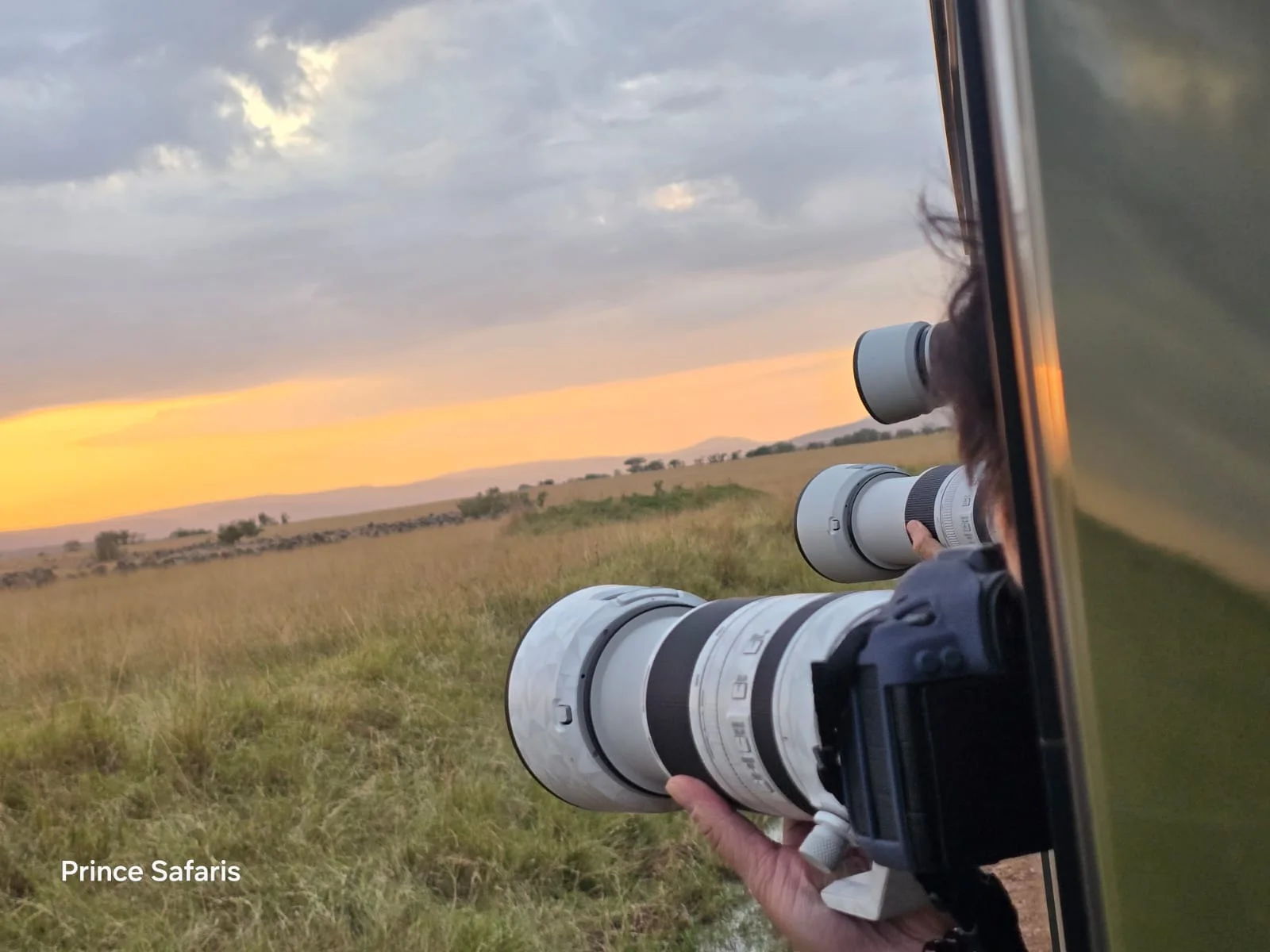
Who it suits and what to expect: It is especially well suited to specialist birders, wildlife photographers, naturalists and travellers who enjoy a slower field pace. The daily programme remains a framework rather than a wildlife guarantee; weather, access, animal movement and activity operating rules can change the exact sequence while preserving the main purpose of the journey.
Flexible by design: this experience can be combined with other wildlife areas, cultural activities, conservation programmes or beach extensions where the route allows.