If you have time for only one major safari destination in Kenya, the choice often comes down to Maasai Mara vs Amboseli. Both are outstanding, but they deliver very different experiences.
The Maasai Mara National Reserve is famous for open savannah, exceptional big-cat viewing and the seasonal Great Migration. Amboseli National Park is celebrated for large elephant herds, wetlands and one of Africa's most recognisable safari backdrops: Mount Kilimanjaro.
If your itinerary allows, the best answer is often to visit both. But when time or budget forces a choice, this guide will help you decide.
Maasai Mara vs Amboseli at a glance
| Question | Maasai Mara | Amboseli |
|---|---|---|
| Best known for | Big cats, savannah, Great Migration | Elephants and Kilimanjaro views |
| Ideal stay | 3–4 nights | 2–3 nights |
| Big cats | Exceptional potential | Good, but not the main reason to visit |
| Elephants | Common | One of Kenya's signature elephant destinations |
| Rhinos | Possible but not the easiest focus | Not the primary rhino destination |
| Landscape | Rolling grasslands, rivers, escarpment views | Open plains, marshes, acacia habitat, Kilimanjaro |
| Migration | Yes, seasonally | No Great Migration spectacle |
| From Nairobi by road | Longer transfer | Generally easier road connection |
| Best for first-timers | Excellent | Excellent |
Why choose the Maasai Mara?
1. Big-cat viewing
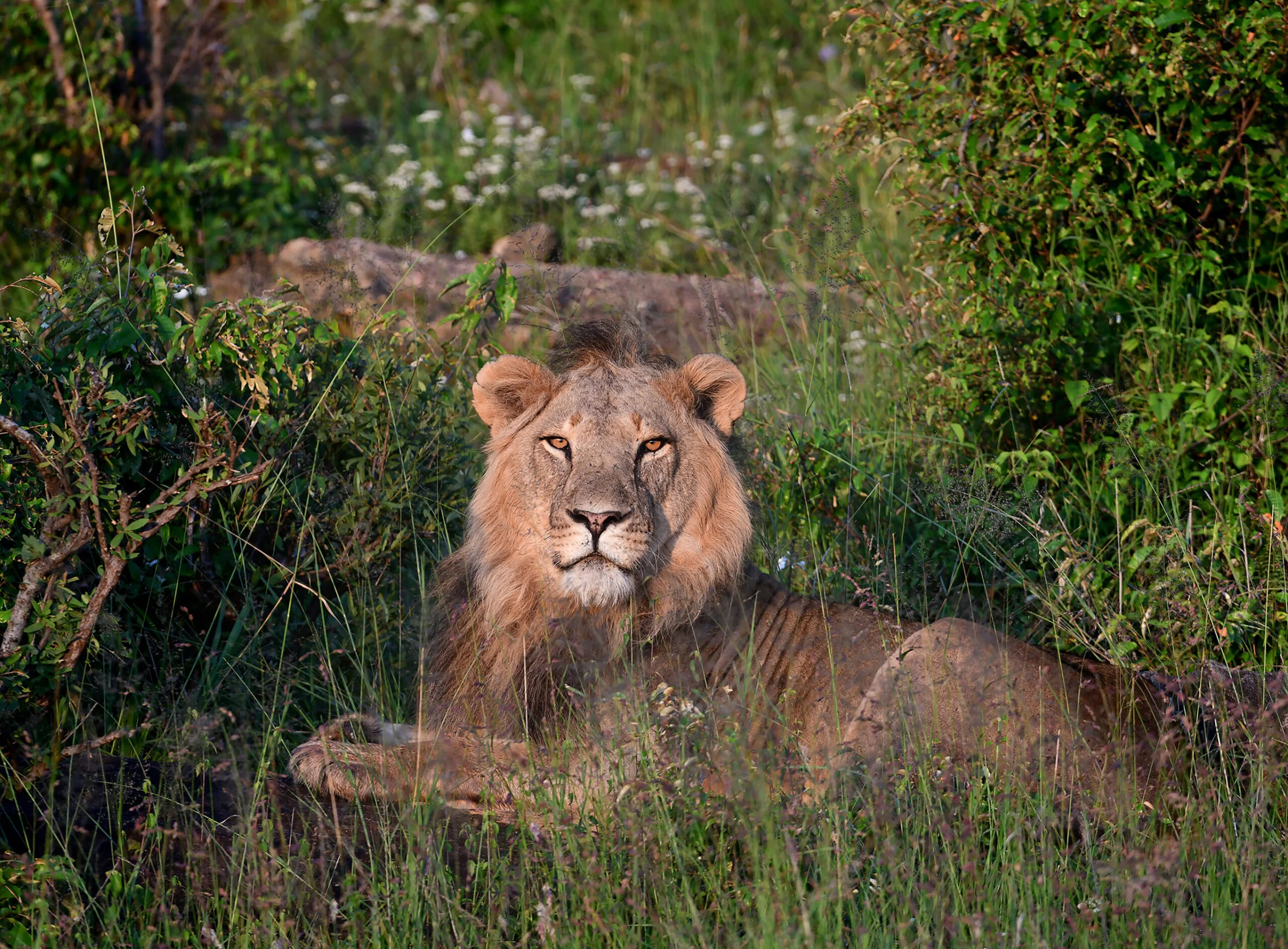
The wider Mara ecosystem is one of Africa's premier areas for lions, cheetahs and leopards. The open country makes it possible to scan large areas, while riverine zones create habitat for a different mix of species. Every game drive is different, but the density and variety of predators are major reasons travellers return.
2. The Great Migration
The Maasai Mara is the Kenyan stage of the larger Serengeti–Mara migration. Large numbers of wildebeest and zebra can enter the ecosystem around July or August and remain into September or October, depending on rainfall and grazing. The SafariBookings Maasai Mara best-time guide identifies August to October as the main migration-focused window, while emphasising that the reserve is rewarding throughout the dry season.
Read our complete Great Migration guide before booking solely around a river-crossing expectation.
3. Classic savannah scenery
If your mental image of East Africa is golden grassland, scattered acacias, big skies and wildlife stretching toward the horizon, the Mara is likely to match it. It is particularly rewarding at sunrise and late afternoon when the landscape gains texture and colour.
4. A large ecosystem with reserve and conservancy options
The safari experience is not limited to the national reserve. Conservancies around the wider Mara can offer lower vehicle density and, depending on the conservancy, activities such as guided walks or night drives. This creates useful options for travellers who want both classic reserve game drives and a more intimate conservancy component.
Why choose Amboseli?
1. Exceptional elephant experiences
Amboseli is one of Kenya's signature elephant destinations. The park's permanent wetlands support wildlife even when the surrounding plains are dry. Large elephant herds can move between feeding areas and water, creating outstanding opportunities for observation and photography.
The official Kenya Wildlife Service Amboseli page highlights the park's large elephant herds, grass plains, acacia woodland, thorn bush, swamps and marshes.
2. Mount Kilimanjaro
Although Kilimanjaro itself lies across the border in Tanzania, its snow-capped summit forms Amboseli's iconic southern skyline. Clear views are never guaranteed because cloud can build quickly. For that reason, two or three nights are better than a rushed day trip if the mountain is central to your photography goals.
3. Compact, varied habitats
Amboseli can feel visually varied despite its relatively compact safari circuit. Dry plains, wetland areas and woodland can produce rapid changes in wildlife activity. It is a very good park for travellers who enjoy watching animal behaviour around water.
4. Logical connections with Tsavo and the coast
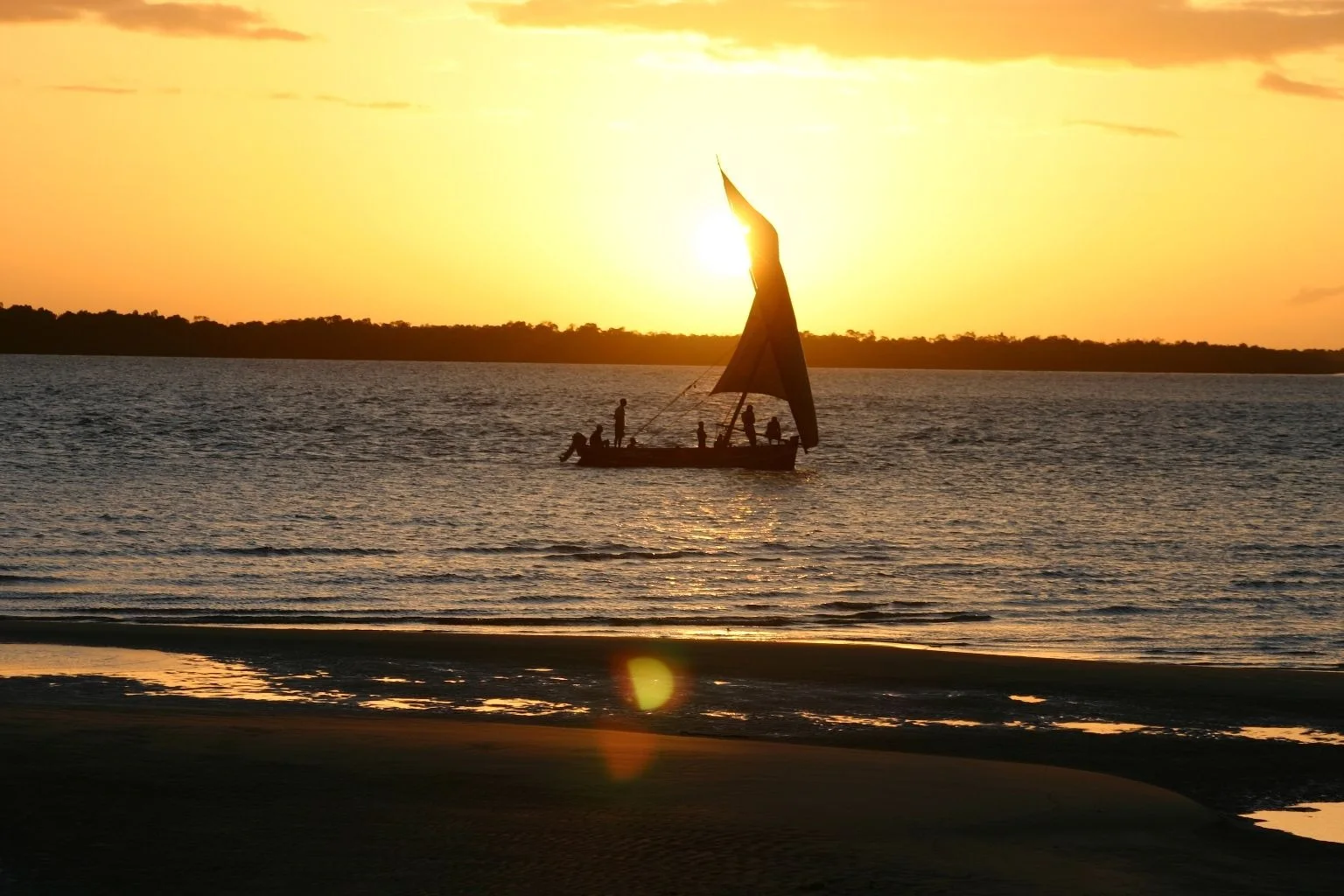
Amboseli works naturally with Tsavo West, Tsavo East and a Kenya bush-and-beach itinerary. For travellers finishing in Diani, Mombasa, Watamu or Malindi, this can make more geographic sense than returning to Nairobi.
Which is better for the Big Five?
If ticking off the Big Five is your single biggest goal, neither destination alone is necessarily the most efficient answer because rhino sightings can be more reliable in places such as Lake Nakuru National Park or Ol Pejeta Conservancy. The Mara is superb for lion, leopard, buffalo and elephant potential; Amboseli is outstanding for elephants and also supports lions, buffalo and other large mammals.
A better Big Five route may combine the Mara or Amboseli with a rhino-focused destination.
Which is better for photographers?
Choose the Mara if your priorities are big-cat behaviour, dramatic predator-prey interactions, endless grasslands and migration activity.
Choose Amboseli if your priorities are elephants, environmental portraits, dust, wetlands and the possibility of wildlife with Kilimanjaro in the background.
Serious photographers should avoid one-night stays. Photography improves when you can revisit locations in different light and wait for behaviour rather than racing through a checklist.
Which is better for families?
Both can work for families. Amboseli's more compact game-drive geography can suit younger children who tire of long days in the vehicle. The Mara offers exceptional wildlife density but requires a longer road transfer from Nairobi unless you fly. For families, the best choice often depends less on the park and more on daily driving time, room configuration, meal flexibility and the ages of the children.
Read our Kenya safari with children guide before finalising a family route.
Which is better for a short safari?
For a two- or three-day road safari from Nairobi, Amboseli is generally the easier fit. For a three- or four-day fly-in or road safari where big cats are the top priority, the Mara can be worth the longer transfer. Nairobi itself also offers a genuine wildlife option: Nairobi National Park can work for half-day or full-day safaris when time is extremely limited. KWS describes it as a protected wildlife area just outside the capital; see the official KWS Nairobi National Park guide.
Which has better scenery?
This is entirely subjective. Amboseli has one of Africa's most famous single vistas: wildlife beneath Kilimanjaro. The Mara offers greater expansiveness and a stronger feeling of endless savannah. Travellers who love dramatic horizons may prefer the Mara; those seeking a recognisable mountain backdrop may favour Amboseli.
Best time: Maasai Mara vs Amboseli
Both destinations are especially popular in the main dry season from June to October and during the drier January–February period. The major difference is the migration. If your goal is the Mara migration, focus on the July/August–October window and accept higher demand. If you simply want excellent wildlife and elephants, Amboseli has no need to be tied to migration dates.
Our month-by-month Kenya safari guide explains the trade-offs between dry and green seasons.
Can you combine Maasai Mara and Amboseli?
Yes, and it is one of Kenya's strongest first-safari combinations. With about six to eight safari days, a route can include both, often adding Lake Nakuru or Lake Naivasha between them. With more time, you can add a conservancy or continue toward Tsavo and the coast.
Browse Prince Safaris wildlife itineraries for route ideas from three to ten days.
Our recommendation by traveller type
- First safari, 3 nights only: Maasai Mara if big cats are your dream; Amboseli if elephants and Kilimanjaro are the dream.
- Photographer: Mara for predators; Amboseli for elephants and landscape portraits.
- Family with young children: Amboseli can be logistically easier by road, but either works with thoughtful pacing.
- Migration-focused traveller: Maasai Mara.
- Bush-and-beach traveller: Amboseli often links more naturally with Tsavo and the coast.
- Big Five checklist: combine either with Lake Nakuru or Ol Pejeta rather than relying on one park.
Frequently asked questions
Is Maasai Mara better than Amboseli?
Neither is universally better. The Mara is stronger for classic savannah, big cats and migration travel; Amboseli is stronger for elephants and Kilimanjaro scenery.
How many days do I need in each?
We recommend roughly three to four nights for the Mara and two to three nights for Amboseli when time allows.
Can I drive from Amboseli to Maasai Mara in one day?
It is possible to connect the two regions by road, but it creates a long travel day. Many itineraries break the journey with a Rift Valley stop or use a flight when budget allows.
How do I choose?
Tell us your number of days, travel month, wildlife priorities and whether you prefer road or fly-in travel through our custom safari enquiry. The best destination is the one that fits the wider route, not simply the one with the most famous name.