Choosing the best time to visit Kenya for safari depends on what you want to see, how you feel about crowds, your budget and which parts of the country you want to combine. Kenya is a year-round wildlife destination, but the experience changes noticeably between the dry months, the green seasons and the Great Migration period in the Maasai Mara.
For many first-time visitors, June to October is the easiest all-round safari window because conditions are generally dry and wildlife often becomes easier to locate around reliable water. January and February can also be excellent. The wetter months, however, should not be dismissed: they can offer emerald landscapes, strong birding, dramatic skies, newborn animals and a calmer atmosphere in some destinations.
Before choosing dates, browse our Kenya wildlife safaris and our guide to Kenya's national parks, reserves and conservancies. For independent seasonal context, see the SafariBookings Kenya best-time guide and the Kenya Wildlife Service protected-area directory.
Quick answer: when is the best time for a Kenya safari?
| Travel period | What it is best for | What to consider |
|---|---|---|
| June–October | Classic wildlife viewing, dry roads, Maasai Mara migration season | Popular parks can be busy, especially in peak migration months |
| January–February | Warm, relatively dry conditions and excellent general safari travel | Popular destinations can still be busy |
| November–December | Green scenery, birding, photography and short-rain atmosphere | Rain can affect some tracks |
| March–May | Lush landscapes, quieter travel and value opportunities | Long rains can make some roads challenging and schedules need flexibility |
Understanding Kenya's safari seasons
Dry season: June to October
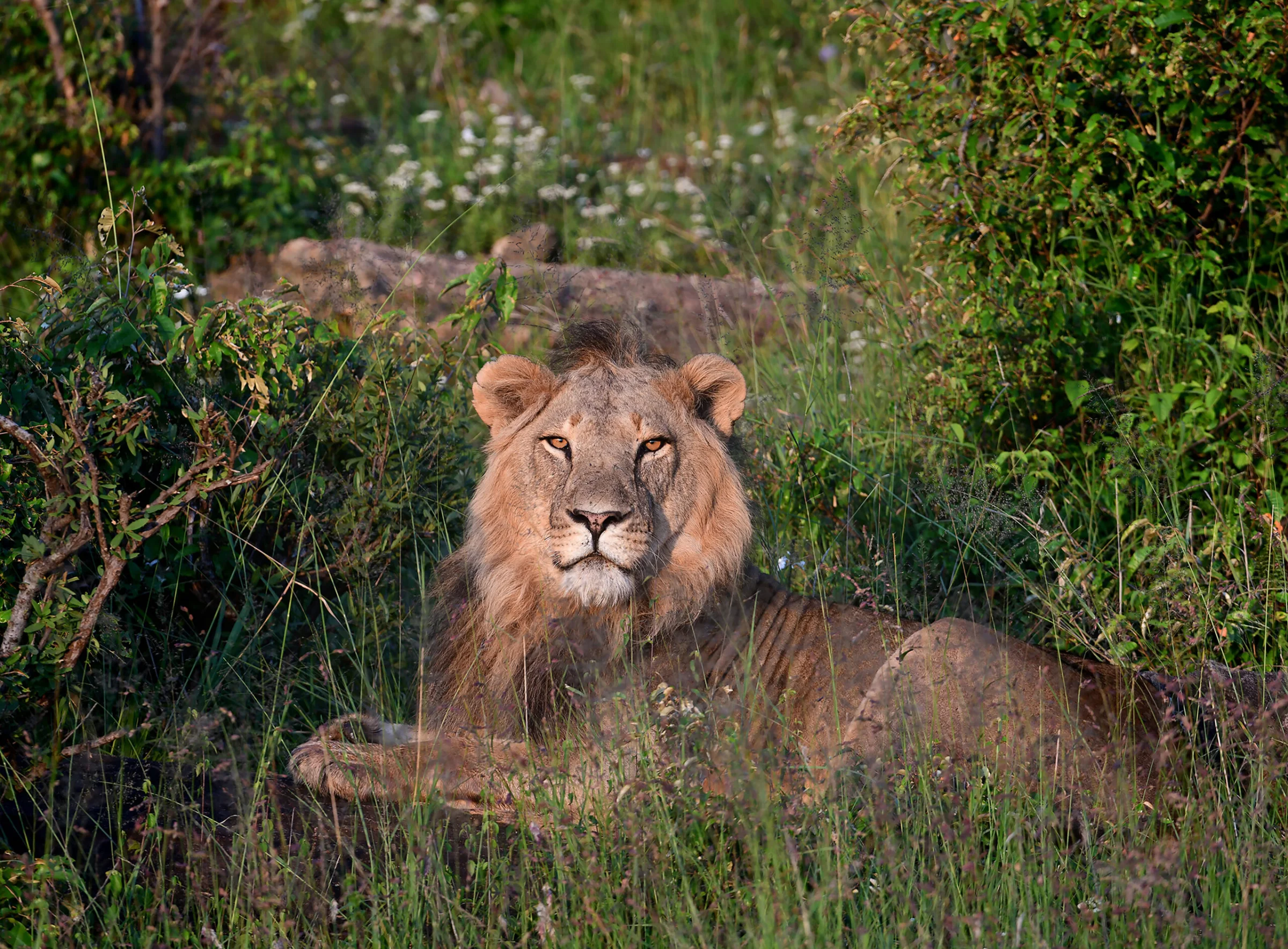
The dry season is the classic answer to the question “When should I go on safari in Kenya?” Vegetation often thins, temporary water sources reduce and animals may concentrate near rivers, marshes and waterholes. This can make game viewing more straightforward. It is also the period associated with the arrival and movement of large wildebeest and zebra herds through the wider Maasai Mara ecosystem.
This period suits travellers whose priority is a traditional wildlife safari in destinations such as the Maasai Mara National Reserve, Amboseli National Park, Lake Nakuru National Park and Samburu National Reserve.
Short dry period: January and February
January and February are often overlooked in favour of the migration months, but they can be superb for a Kenya safari. Conditions are commonly warm and relatively dry between the main rainy periods. This makes the months attractive for mixed itineraries combining southern parks, Rift Valley destinations and conservancies.
Amboseli can be especially rewarding for elephant viewing, while early mornings may provide a chance of clear Mount Kilimanjaro views. The official KWS Amboseli guide describes the park's open plains, woodlands, swamps and marshes and its importance for large elephant encounters.
Green season and rains: November to May
“Rainy season” does not mean that every day is washed out. The short rains normally fall later in the year, while the long rains are more associated with March to May. Patterns vary from year to year. Green-season travel can be rewarding for photographers because landscapes become richer in colour and skies more dramatic. Migratory birds also add diversity to many habitats.
The trade-off is flexibility. Some unsealed tracks can become slippery or muddy, transfer times can increase and certain high-rainfall periods can make remote routes harder. A good itinerary avoids unnecessary long drives and uses realistic transfer times.
Kenya safari month by month
January: warm, dry and excellent for varied circuits
January is a strong month for travellers who want excellent general wildlife without focusing specifically on the Great Migration. It works well for combinations such as Amboseli, Lake Nakuru and the Maasai Mara, or a northern circuit including Samburu and Ol Pejeta Conservancy.
February: dry-season wildlife and strong photography
February often continues the favourable January pattern. Wildlife viewing can be very good, and photographers can plan around early morning and late afternoon light. If Kilimanjaro is important, build at least two nights around Amboseli rather than relying on a single brief stop; mountain visibility is never guaranteed.
March: a transition month
March can begin dry and become progressively wetter as the long rains approach. It can be a useful shoulder-season month for travellers prepared for variable conditions. Keep the itinerary flexible and avoid trying to cover too many distant parks in too few days.
April: lush landscapes and fewer visitors
April commonly sits within the long-rain period. It is not the easiest month for a first safari if your priority is predictable road conditions, but experienced Africa travellers and photographers may appreciate the greener scenery and quieter feel. Pack effective rain protection and use a vehicle suited to wet tracks.
May: green, quiet and improving later in the month
May can still be wet, although conditions often start changing as the month progresses. This can be a good time to focus on fewer destinations rather than a long circuit. A well-paced itinerary is more important than chasing a large number of park names.
June: the dry season begins
June is one of our favourite months for a balanced Kenya safari. Conditions are generally becoming drier, landscapes can still retain some green and the heaviest peak-season pressure has not always arrived. It is a strong month for multi-park wildlife safaris.
July: migration season builds in the Mara
July marks the beginning of the period when many travellers focus on the Maasai Mara. Exact herd movement depends on rainfall and grazing, so it is better to plan for the wider migration ecosystem rather than promise a specific river crossing on a specific day.
August: peak migration interest
August is one of the most sought-after months in the Maasai Mara. The SafariBookings Maasai Mara seasonal guide identifies the dry months as strong for general wildlife viewing and August to October as the main window for migration-focused travel. Book early and consider combining the reserve with a conservancy if you want a different style of wildlife viewing.
September: superb general wildlife and migration potential
September often combines dry-season game viewing with continued migration activity in the Mara ecosystem. It can be an excellent month for first-time Kenya visitors. A seven- to ten-day route can comfortably include the Mara, Rift Valley and Amboseli without rushing.
October: dry season moving toward the short rains
October can remain very good for wildlife, although seasonal changes may begin later in the month. Migration herds can start shifting south as grazing and rainfall patterns change. Treat the migration as a natural event, not a scheduled performance.
November: green season returns
Short rains often refresh the landscape in November. This can create beautiful photographic conditions, and birding improves as migratory species arrive. Rain often comes in showers rather than all-day rain, but weather remains unpredictable.
December: festive travel and fresh landscapes
December can be a rewarding safari month, particularly after the short rains have refreshed the plains. The festive period is popular, so availability and prices may rise around Christmas and New Year. Reserve early if your dates are fixed.
Best time for the Great Migration in Kenya
For a migration-focused Kenya safari, the most commonly targeted period is July or August through October. However, the herds move according to rainfall and grazing. River crossings are particularly unpredictable: a herd can gather near a river for hours or days, cross elsewhere, turn back or not cross while you are present.
Plan for at least three nights in the wider Mara ecosystem if the migration is your main priority, and read our detailed Great Migration in Kenya guide.
Best time for Amboseli and elephant viewing
Amboseli is rewarding throughout the year, but drier periods can concentrate wildlife around the park's permanent wetlands. The dry months from June to October and the January–February period are popular choices. If photography beneath Kilimanjaro is important, allow multiple sunrise and sunset opportunities.
Best time for a Kenya bush-and-beach holiday
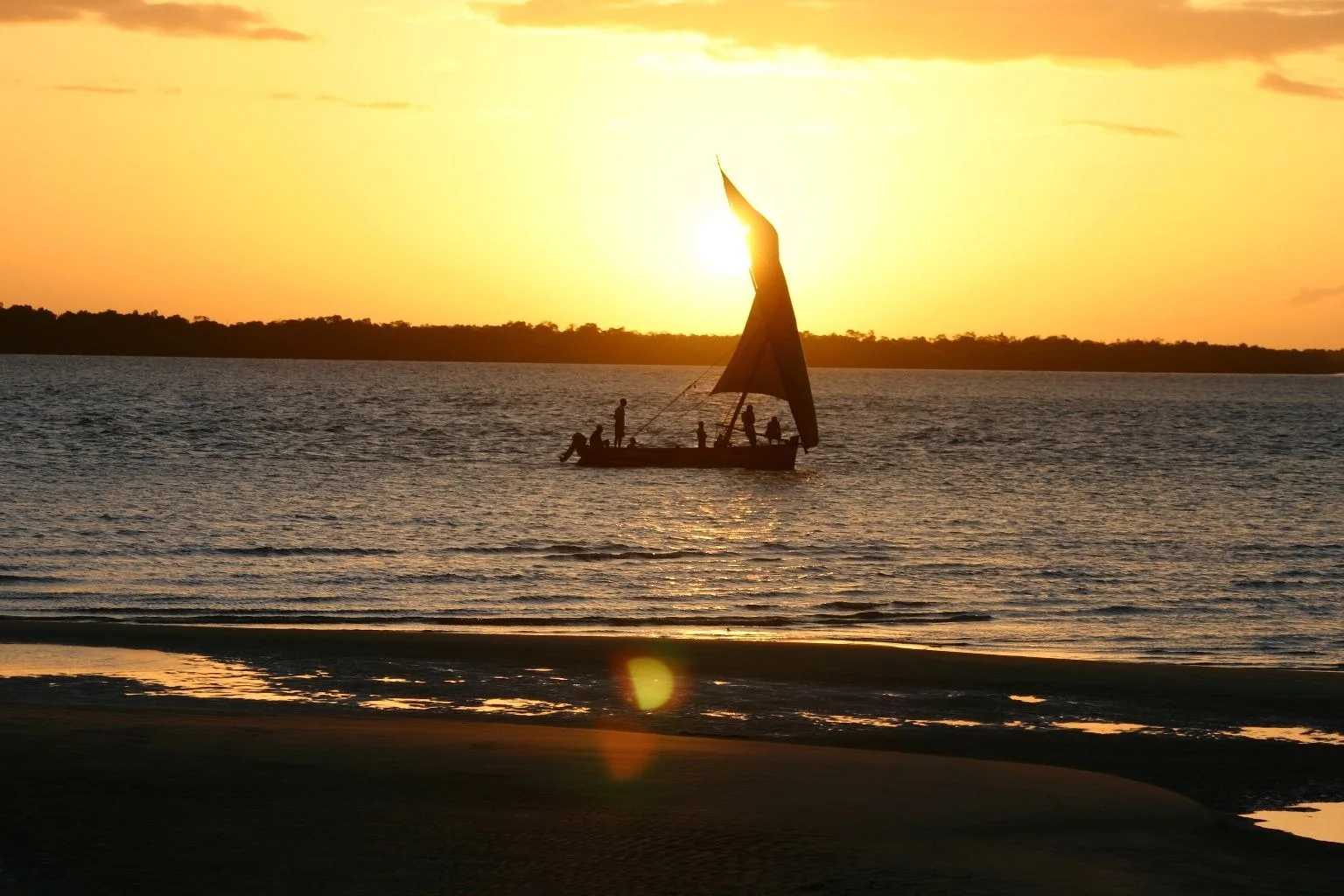
A Kenya bush and beach safari needs two sets of conditions to work well: wildlife areas inland and the Indian Ocean coast. June to October and January to February are popular because they often offer convenient safari conditions. Tsavo is especially useful for linking the coast with wildlife, including Tsavo East and Tsavo West.
How crowds affect the best time to travel
The “best” weather can also mean the busiest period. If you dislike traffic around sightings, consider shoulder-season dates or conservancies where visitor density can be lower. Another strategy is simply to stay longer: when you have multiple game drives, you can spend more time exploring quieter areas rather than rushing between famous sightings.
How to choose your travel dates
- Choose June–October if classic dry-season wildlife is your priority.
- Choose August–September if the Maasai Mara migration is your central goal and you accept higher demand.
- Choose January–February for a strong alternative dry-season safari.
- Choose November or early December for greener scenery and birding.
- Consider March–May if you value quieter travel and can accept greater weather variability.
Frequently asked questions
Is Kenya good for safari all year?
Yes. Wildlife does not disappear in the rainy season. What changes is vegetation, water distribution, road conditions, visitor numbers and the ease of locating animals. The best month depends on your priorities.
What is the driest time for safari in Kenya?
June to October is generally the main dry season, with another relatively dry spell around January and February. Weather patterns vary and should never be treated as guaranteed.
When should I book a migration safari?
For fixed July–September dates, especially in the Maasai Mara, booking many months ahead is sensible because demand is high. If your dates are flexible, shoulder periods can offer a different balance of wildlife, scenery and visitor numbers.
What should I do next?
Compare our Kenya safari packages, explore the destination guide, or tell Prince Safaris your dates and interests so we can recommend a route that fits the season rather than forcing the season to fit a fixed route.