A Kenya safari with children can be one of the most memorable family holidays you ever take. Wildlife creates instant excitement, guides turn the landscape into an outdoor classroom, and a well-designed itinerary gives families time together away from normal routines.
The key phrase is well-designed. A family safari should not be an adult itinerary with children added at the last minute. Long transfers, very early starts every day and six-hour game drives may work for dedicated adult wildlife enthusiasts but can quickly exhaust younger travellers.
The best family safaris balance wildlife with rest, swimming or downtime, shorter activity blocks and realistic travel days. Browse our Kenya wildlife safari packages for route ideas, then use our custom safari enquiry to tell us the children's ages and interests.
Is Kenya good for a family safari?
Yes. Kenya has an unusually broad range of family-friendly safari options: short wildlife experiences close to Nairobi, classic multi-day parks, conservancies, lakes, cultural activities and easy combinations with the Indian Ocean coast.
The Kenya Wildlife Service park directory shows the breadth of protected areas, from Nairobi National Park and Amboseli to Lake Nakuru, Tsavo and mountain ecosystems. This variety makes it possible to design a route around the family's available time rather than forcing every family into the same circuit.
What is the best age for a child to go on safari?
There is no universal minimum age for a Kenya safari. A child's temperament, attention span, travel experience and the exact activities matter more than a single number. However, different age groups usually need different pacing.
Under 5
Keep game drives short, build in naps and avoid overly ambitious routes. Some camps, activities and shared vehicles may have minimum-age restrictions, so these must be checked before booking. A private vehicle is especially valuable because the family can return early when needed.
Ages 5–9
This can be a wonderful age for wildlife, especially when the guide involves children in spotting tracks, identifying birds and learning animal behaviour. Two- to three-hour game-drive blocks often work better than all-day drives.
Ages 10–13
Older children can handle longer drives and may enjoy photography, conservation stories, checklists and junior-ranger-style learning. They can participate in route planning by choosing target species or destinations.
Teenagers
Teenagers often appreciate more active experiences such as guided walks where permitted, cycling at suitable destinations, cultural activities, photography and conservation-focused visits. Give them some choice in the programme rather than scheduling every hour.
Best Kenya safari destinations for families
Nairobi National Park: ideal for the first wildlife experience
Nairobi National Park is one of the easiest places to test how children respond to game drives without committing to a multi-day transfer. KWS notes the park's remarkable proximity to the capital; see the official Nairobi National Park page.
A half-day safari can work after a night in Nairobi or before a longer route.
Amboseli: elephants and manageable game-drive geography
Amboseli National Park is a strong family choice because elephants are a major attraction and the wetlands create reliable wildlife interest. Watching elephant families interact can hold children's attention for long periods without constantly moving the vehicle.
Lake Nakuru: compact wildlife and rhino potential
Lake Nakuru National Park fits well into a family circuit between Nairobi and the Maasai Mara. It is relatively compact and is known for rhino conservation and birdlife. The official KWS Lake Nakuru guide describes its varied lake, woodland and grassland habitats.
Maasai Mara: exceptional wildlife, but plan the transfer carefully
The Maasai Mara can be unforgettable for children because there is always something to watch: big cats, elephants, giraffes, antelope and large herds. The challenge is logistics. The road transfer from Nairobi is long, so families with younger children may prefer a stop en route, a flight or at least several nights in the Mara to make the transfer worthwhile.
Ol Pejeta: conservation learning
Ol Pejeta Conservancy is excellent for families interested in conservation, rhinos and a more educational safari experience. Conservation-focused destinations give children a reason to understand why protected areas exist, not just which animals live there.
Tsavo: excellent for bush-and-beach families
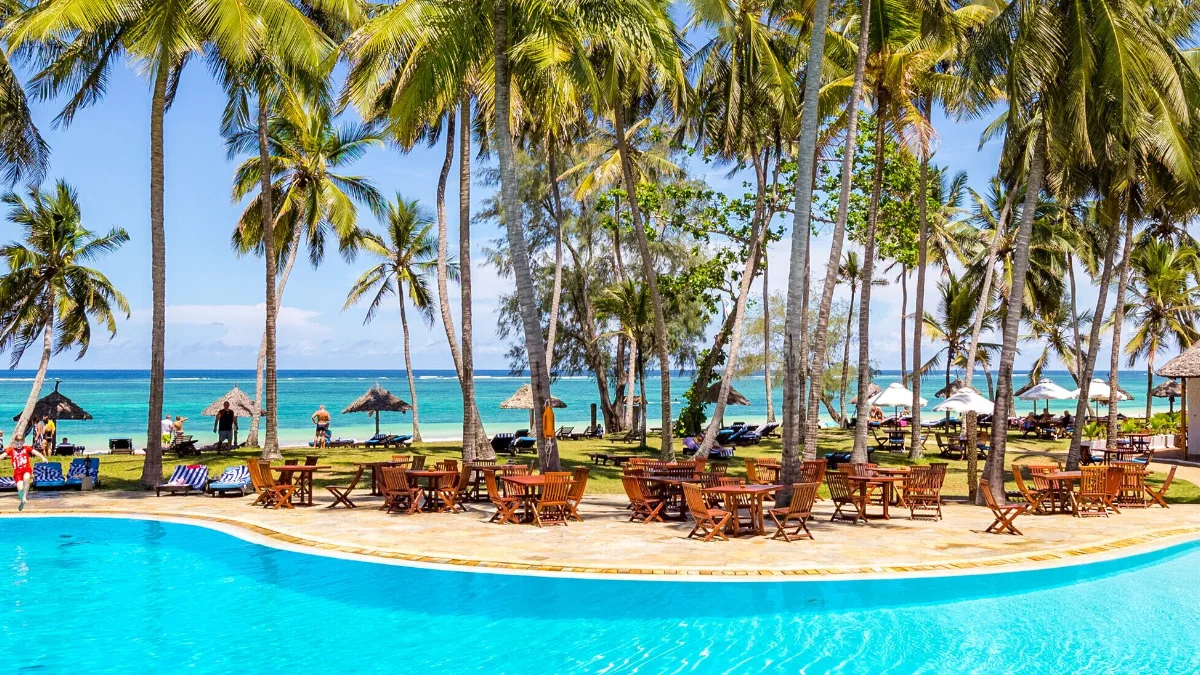
Tsavo East and Tsavo West work particularly well when the family also wants beach time. Rather than returning to Nairobi after safari, continue toward the coast and finish with several slower days on the Indian Ocean.
Explore our bush-and-beach experiences.
Private safari vehicle vs shared safari for families
For most families, a private vehicle is one of the best upgrades you can make. It gives you control over game-drive length, bathroom stops, snack breaks, photography pauses and the decision to return early if a child is tired.
A shared safari can cost less, but everyone must work around the group's schedule. That can be difficult when one child needs a nap while other travellers want to stay at a lion sighting for another hour.
How long should a family safari be?
For a first family safari, 5–7 days of wildlife travel is often a sweet spot. It is long enough to see several ecosystems but short enough to keep the experience fresh. Add four or five beach days afterward if you want a slower finish.
| Safari length | Good family approach |
|---|---|
| Half day–1 day | Nairobi National Park or a single local experience |
| 2–3 days | Amboseli, Maasai Mara fly-in, or a short Tsavo safari from the coast |
| 4–5 days | Two well-connected wildlife areas |
| 6–8 days | Classic multi-park circuit with rest built in |
| 9–10 days | Broader Kenya circuit or wildlife plus conservation experiences |
Do not over-schedule children
A common planning mistake is trying to “get value” by filling every hour. On safari, the memorable moment may be sitting quietly beside elephants for 45 minutes. Children also need unstructured time to process what they have seen.
A balanced family day might include an early game drive, breakfast, several hours of rest, a short educational activity and a late-afternoon game drive. Not every day needs both sunrise and sunset drives.
Family safari safety
Wildlife areas are not theme parks. Animals are wild, and rules matter. Families should:
- Follow the guide's instructions at all times.
- Never allow children to leave the vehicle unless the guide says the area is safe.
- Keep voices controlled around wildlife.
- Never feed animals.
- Walk only in permitted areas and, where required, with an escort.
- Keep doors and tent/cabin entrances secure according to the property's instructions.
- Supervise children closely around pools, balconies and open grounds.
For protected-area information and official visitor resources, use KWS Safari Resources.
Meals and picky eaters
Tell us about dietary needs before travel. Most established safari properties can handle common dietary requirements with advance notice, but remote destinations have less access to last-minute alternatives. Pack a few familiar snacks for long transfers, while respecting airline and customs restrictions.
What should children pack?
- Comfortable neutral-coloured clothes
- Warm fleece for early mornings
- Sun hat and sunglasses
- Comfortable closed shoes
- Small backpack
- Binoculars sized for the child if possible
- Notebook, animal checklist or sketchbook
- Headphones and offline entertainment for transfer days
- Reusable water bottle
- Personal medication
Our complete Kenya safari packing checklist covers clothing and gear in more detail.
How to keep children engaged on game drives
Turn wildlife viewing into participation rather than passive sitting. Let children keep a species list, choose the “animal of the day,” learn three bird calls, photograph tracks or ask the guide one question about each major sighting. Older children can learn basic camera settings or help follow the route on a map.
Family safari and school learning
Safari naturally connects with biology, geography, conservation, climate, culture and photography. Before travel, children can research one destination or species. During the trip, ask the guide about ecosystems and human-wildlife coexistence. Afterward, create a photo book or travel journal.
Should families visit during the Great Migration?
The migration is spectacular, but peak season can also mean more vehicles and higher prices. Families do not need the migration to have an extraordinary Mara safari. If children are young or school schedules allow shoulder-season travel, a quieter period may actually create a more relaxed experience.
See our Great Migration guide and the independent SafariBookings Mara seasonal guide.
Family bush-and-beach itineraries
Combining safari with the coast is one of Kenya's strongest family formats. The safari supplies early mornings, discovery and adventure; the coast gives everyone time to swim, rest and slow down.
A logical route can be Nairobi → Amboseli → Tsavo → coast, or Nairobi → Maasai Mara → flight to the coast. The best choice depends on trip length and budget.
Frequently asked questions
Can toddlers go on safari in Kenya?
They can on some itineraries, but activity and property age restrictions vary. The route should be slower, private and carefully checked before booking.
Is malaria a concern for children?
Health risks vary by destination, season and individual circumstances. Families should seek personalised advice from a qualified travel-health professional well before departure; this article does not replace medical advice.
Do children pay park fees?
Protected areas have their own visitor categories and rates, which can change. Confirm current fees in your quotation and consult the relevant managing authority.
What is the best family route?
For many first-time families, a paced Amboseli–Rift Valley–Maasai Mara route works well. For beach-focused families, Amboseli–Tsavo–coast can be more efficient. Tell us the children's ages through Plan My Safari and we will recommend a route with realistic drive times.