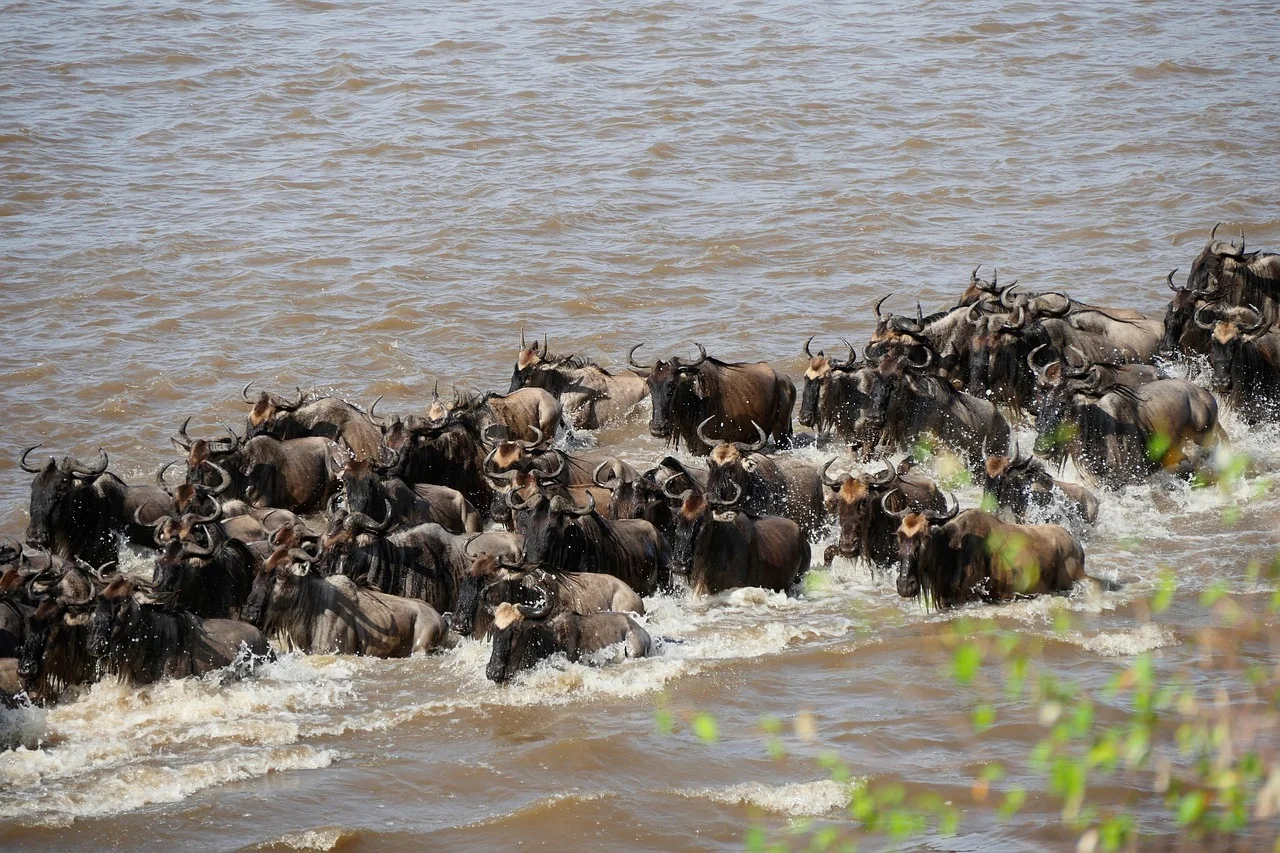
The Great Migration in Kenya is one of Africa's most celebrated wildlife events, but it is also one of the most misunderstood. It is not a single crossing on a fixed date. It is a year-round movement of wildebeest, zebra and other grazers through the wider Serengeti–Mara ecosystem, responding to rainfall, grass and water.
Kenya's most famous part of the cycle occurs when large herds move into the Maasai Mara, commonly from around July or August into September and October. The exact timing changes every year.
No ethical safari operator can guarantee a Mara River crossing on a particular day. A good migration safari maximises your chances by allowing enough time in the ecosystem and treating every wildlife encounter as part of the experience.
What is the Great Migration?
The Great Migration is a continuous seasonal movement across a vast ecosystem shared by Tanzania and Kenya. Huge herds follow rainfall and fresh grazing. Predators, scavengers and other wildlife respond to this movement, creating a constantly changing ecological story.
The Kenyan chapter is best known for the Maasai Mara and the Mara River. For wider seasonal context, the SafariBookings Kenya best-time guide notes that the migration usually reaches the Mara in July or August, remains through much of September and begins shifting back toward the Serengeti around October.
When is the Great Migration in Kenya?
| Period | Typical migration context | Planning approach |
|---|---|---|
| June | Dry season begins; herd position varies | Excellent general wildlife, migration not guaranteed in Kenya |
| July | Herds may begin entering the Mara ecosystem | Strong migration interest; exact timing depends on rainfall |
| August | Major herds often present; crossing interest high | Peak demand; book early |
| September | Large herds commonly remain in the Mara | Excellent migration and general wildlife potential |
| October | Herds may begin moving south as rains and grazing shift | Still strong, but increasingly variable later in the month |
| November onward | Migration focus moves away from the Kenyan Mara | Resident wildlife remains excellent |
SafariBookings' Maasai Mara seasonal guide identifies June to October as the main dry-season wildlife period and August to October as the strongest migration-focused window.
Why are Mara River crossings unpredictable?
River crossings depend on herd movement, local rainfall, grazing pressure, river conditions and animal behaviour. Wildebeest may approach a crossing point, hesitate for hours, retreat, move upstream or cross suddenly. The herd does not care about your flight schedule.
This unpredictability is exactly why “guaranteed crossing” marketing should make you cautious. Your best strategy is time: stay several nights, use an experienced guide and avoid spending every game drive parked at one riverbank while ignoring the rest of the ecosystem.
How many days do you need for a migration safari?
If witnessing migration activity is a major goal, we recommend at least three to four nights in the wider Mara ecosystem. Five nights gives even more flexibility for weather, herd movement and different game-drive zones.
A rushed one-night visit creates pressure to “find the crossing” immediately and can turn a remarkable safari into a stressful checklist.
Where should you stay: reserve or conservancy?
Inside or near the national reserve
The main reserve gives direct access to iconic Mara landscapes and river systems. During peak migration periods it can also become busy, especially around major predator sightings and known crossing areas.
Greater Mara conservancies
Conservancies can provide lower vehicle density and, depending on the area, additional activities such as night drives or guided walks. A combined stay—part reserve, part conservancy—can create a richer safari than trying to make one location do everything.
Explore our Kenya reserves and conservancies guide for the practical difference between management models.
What wildlife will you see besides wildebeest?
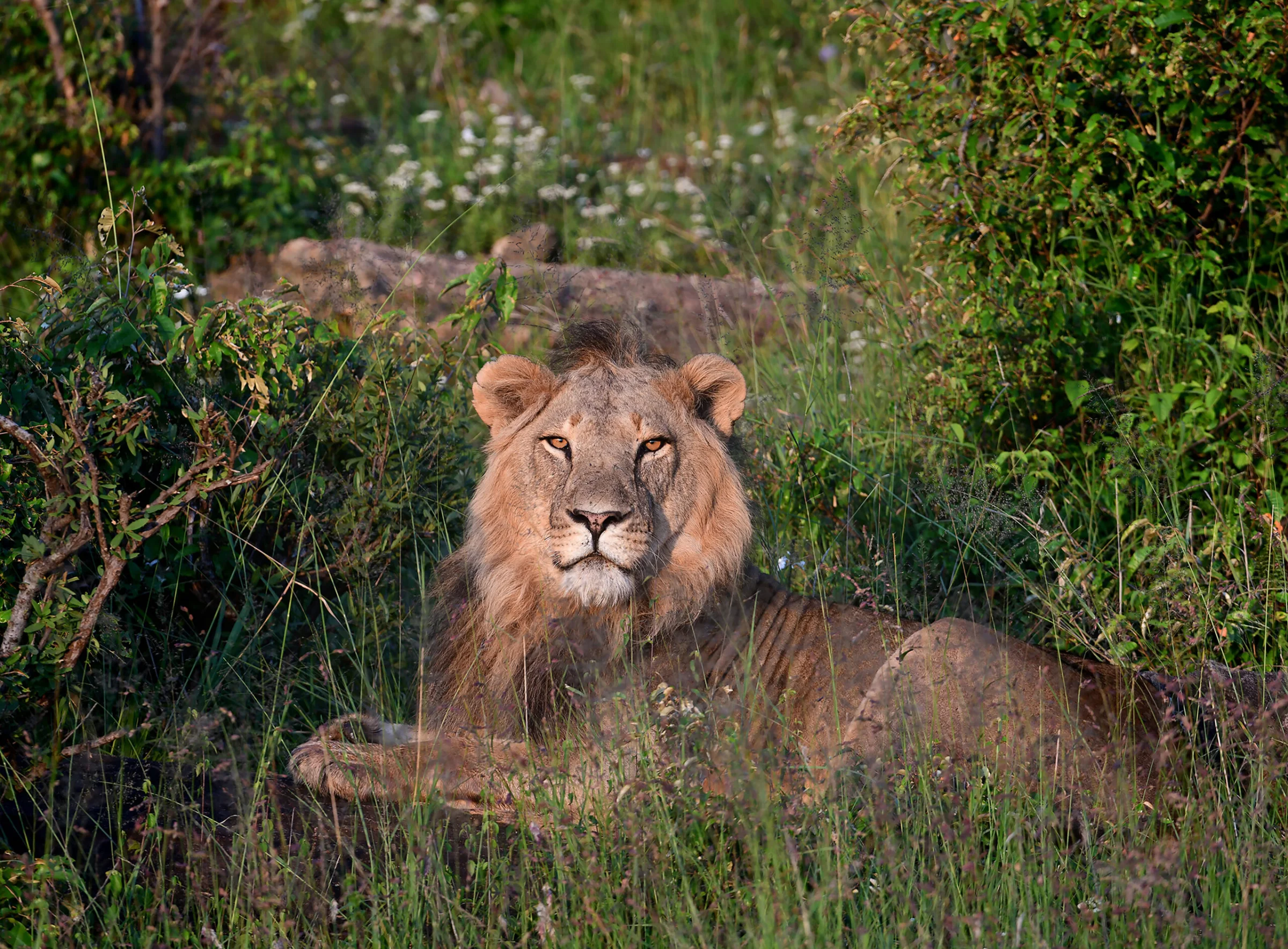
The Maasai Mara is not only about migration herds. Resident wildlife remains strong throughout the year. Possible sightings include lions, cheetahs, leopards, elephants, buffalo, giraffes, hippos, crocodiles, hyenas, jackals, warthogs and many antelope species.
That is why a migration safari can still be extraordinary even if you never witness a dramatic river crossing.
Predators during migration season
Large prey concentrations attract predators and scavengers, but wildlife behaviour is never staged. Lions may spend much of the day resting, cheetahs hunt when conditions suit them and leopards can remain hidden. The best guides read behaviour and habitat rather than racing from radio call to radio call.
How crowded is the Maasai Mara during migration?
August and September can be busy in famous parts of the reserve. Crowds are most noticeable around major cats and river crossing points. You can reduce the impact by:
- staying for more nights so every drive does not need to chase the same highlights;
- exploring quieter zones away from the most famous crossing points;
- combining the reserve with a conservancy;
- travelling in July or October if your dates are flexible, while accepting greater migration uncertainty;
- choosing a private vehicle so your guide can adjust the plan around your interests.
Best photography strategy for migration season
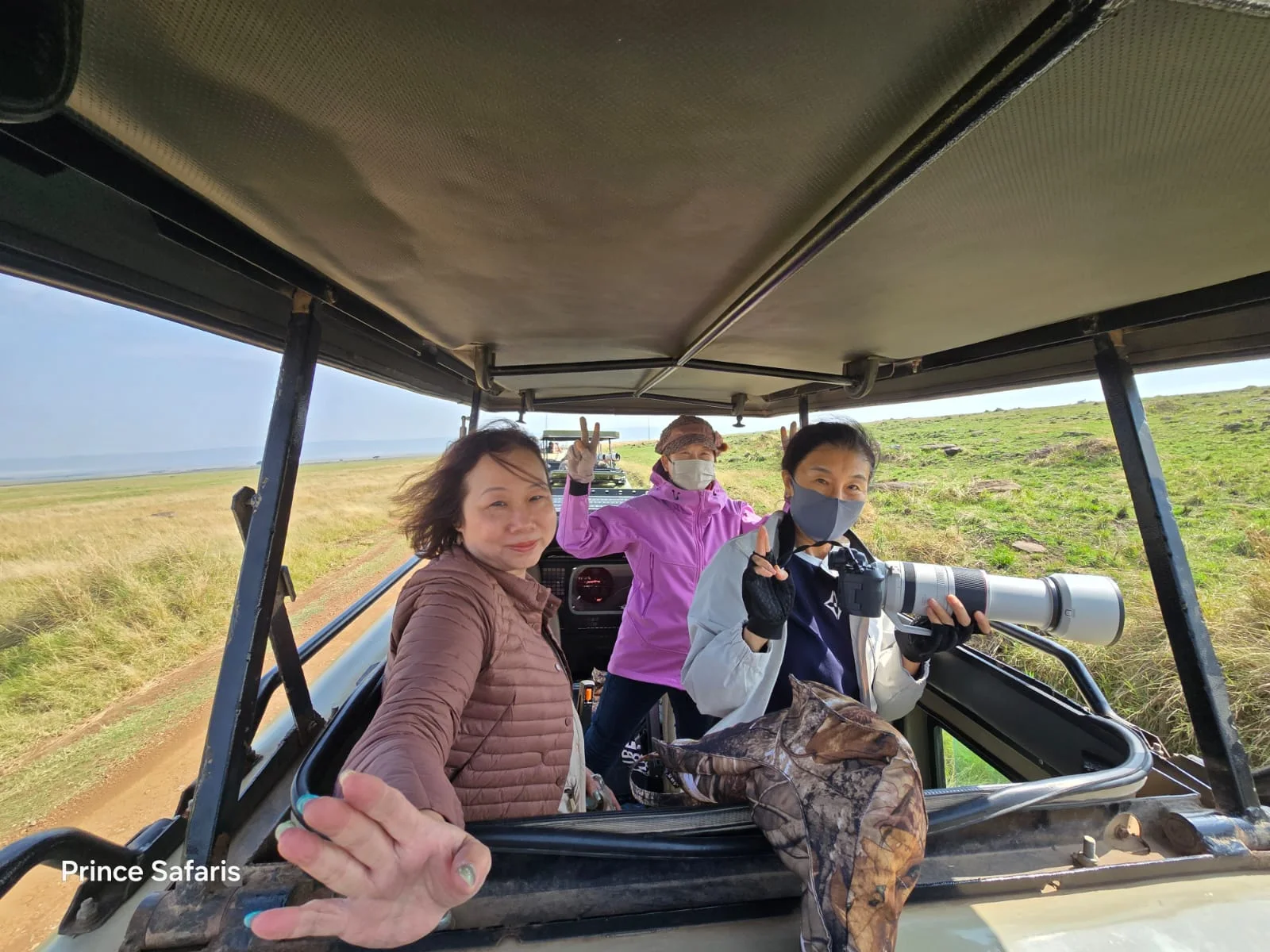
Bring a telephoto lens for wildlife but keep a wider focal length available for herds, dust, landscapes and river scenes. Crossings can happen quickly, so camera settings should be prepared before action begins. Do not spend the entire safari looking through a viewfinder; behaviour develops outside the frame too.
Our Kenya safari packing guide includes a practical camera and binocular checklist.
Should you visit only the Maasai Mara?
A dedicated Mara safari makes sense if you have three or four days and migration is your only priority. With a week or more, adding another ecosystem improves the trip. Good combinations include:
- Maasai Mara + Lake Nakuru: classic savannah plus a rhino-focused Rift Valley park.
- Maasai Mara + Amboseli: big cats and migration potential plus elephants and Kilimanjaro.
- Maasai Mara + Ol Pejeta: Mara wildlife plus conservation and rhino experiences.
- Maasai Mara + beach: high-energy wildlife followed by Indian Ocean rest.
Compare Lake Nakuru, Amboseli and Ol Pejeta.
Road safari or fly-in safari for migration?
A road safari is usually more cost-conscious and can combine the Mara with Rift Valley destinations. A flight saves time and is especially useful for short trips or travellers continuing to the coast. Your budget and total number of days should determine the choice.
Read our Kenya safari cost guide for the main pricing factors.
How far in advance should you book?
For August and September, early booking is advisable, especially for small camps, family rooms, private vehicles and specific conservancies. If you wait until the last minute, you may still find a safari, but route and accommodation choice can narrow significantly.
Migration safari mistakes to avoid
- Expecting an exact crossing date. Nature does not use a timetable.
- Booking only one night. You leave almost no flexibility.
- Spending every hour at the river. The Mara's resident wildlife deserves attention.
- Choosing only by lowest price. Vehicle crowding, guide quality and location matter.
- Ignoring transfer time. A cheap itinerary with excessive driving may deliver less time with wildlife.
- Treating the crossing as the entire safari. Migration is a moving ecosystem, not one dramatic moment.
What is the best month: August or September?
Both can be excellent. August carries very high migration interest, while September often remains superb and can sometimes feel slightly less pressured depending on exact dates and location. There is no guarantee that one month will produce more crossings than the other in a given year.
Is October too late?
Not necessarily. October can still deliver strong migration activity, but the herds may start moving south as seasonal conditions change. If migration is your only reason for travelling, earlier dates may offer more statistical confidence; if you also value resident wildlife, October can be excellent.
What about the Maasai Mara outside migration season?
The Mara remains a major wildlife destination year-round. Resident predators and plains game do not leave when the migration moves south. Green-season landscapes and lower visitor numbers can be extremely rewarding for repeat safari travellers.
Frequently asked questions
What month is best for the Great Migration in Kenya?
August and September are commonly targeted, with activity often extending from July into October. Exact herd position varies every year.
Are Mara River crossings guaranteed?
No. They are unpredictable wildlife events.
How many nights should I spend in the Mara?
At least three to four nights for a migration-focused trip; longer gives more flexibility.
Is a hot-air balloon necessary?
No. It can be a memorable optional experience, but it is not necessary for excellent wildlife viewing.
How do I plan a migration itinerary?
Browse our wildlife safari packages or send us your migration dates. We can then build the rest of the route around the Mara rather than squeezing the Mara into an over-packed circuit.