Make photography the rhythm of your safari
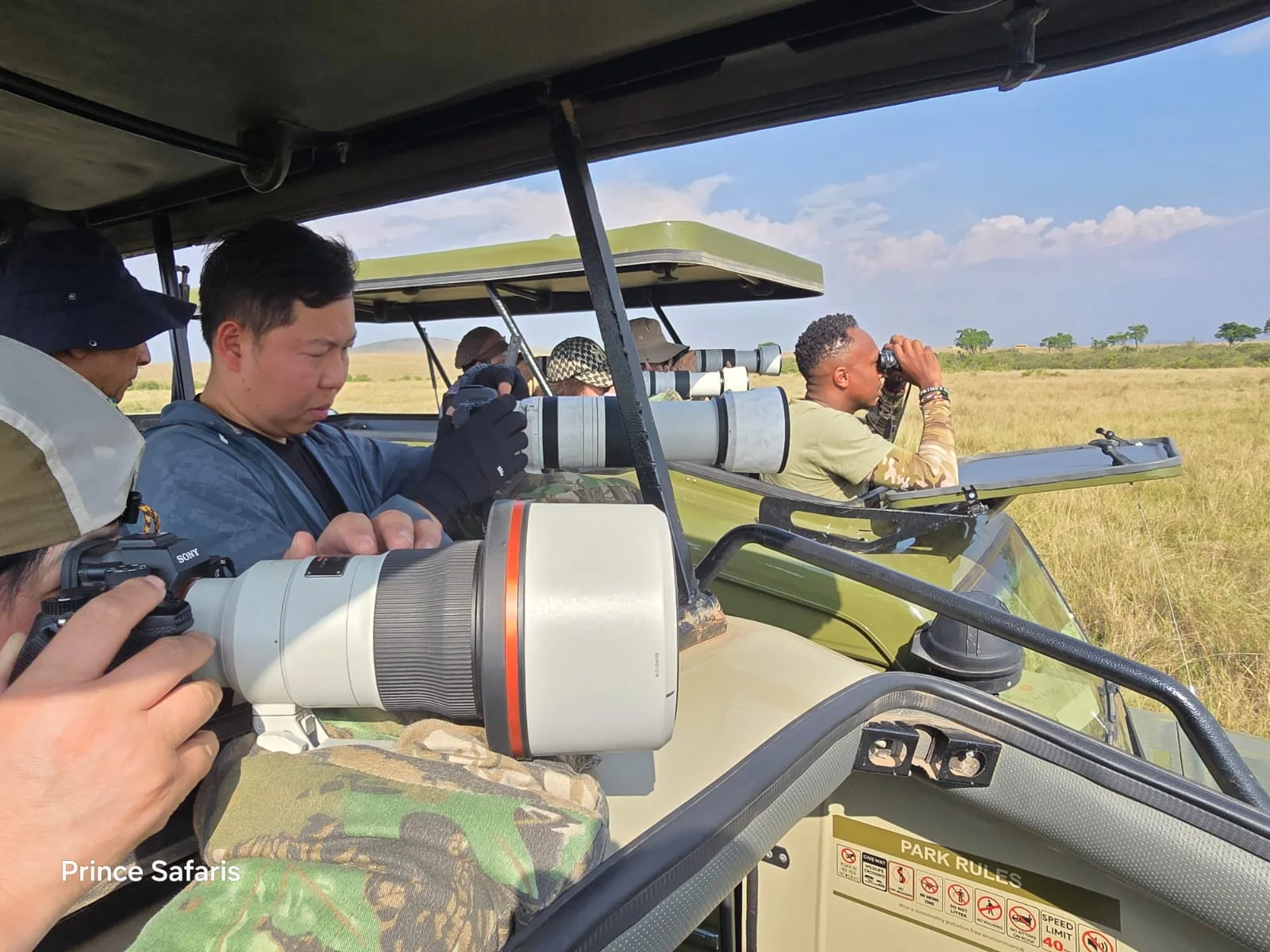
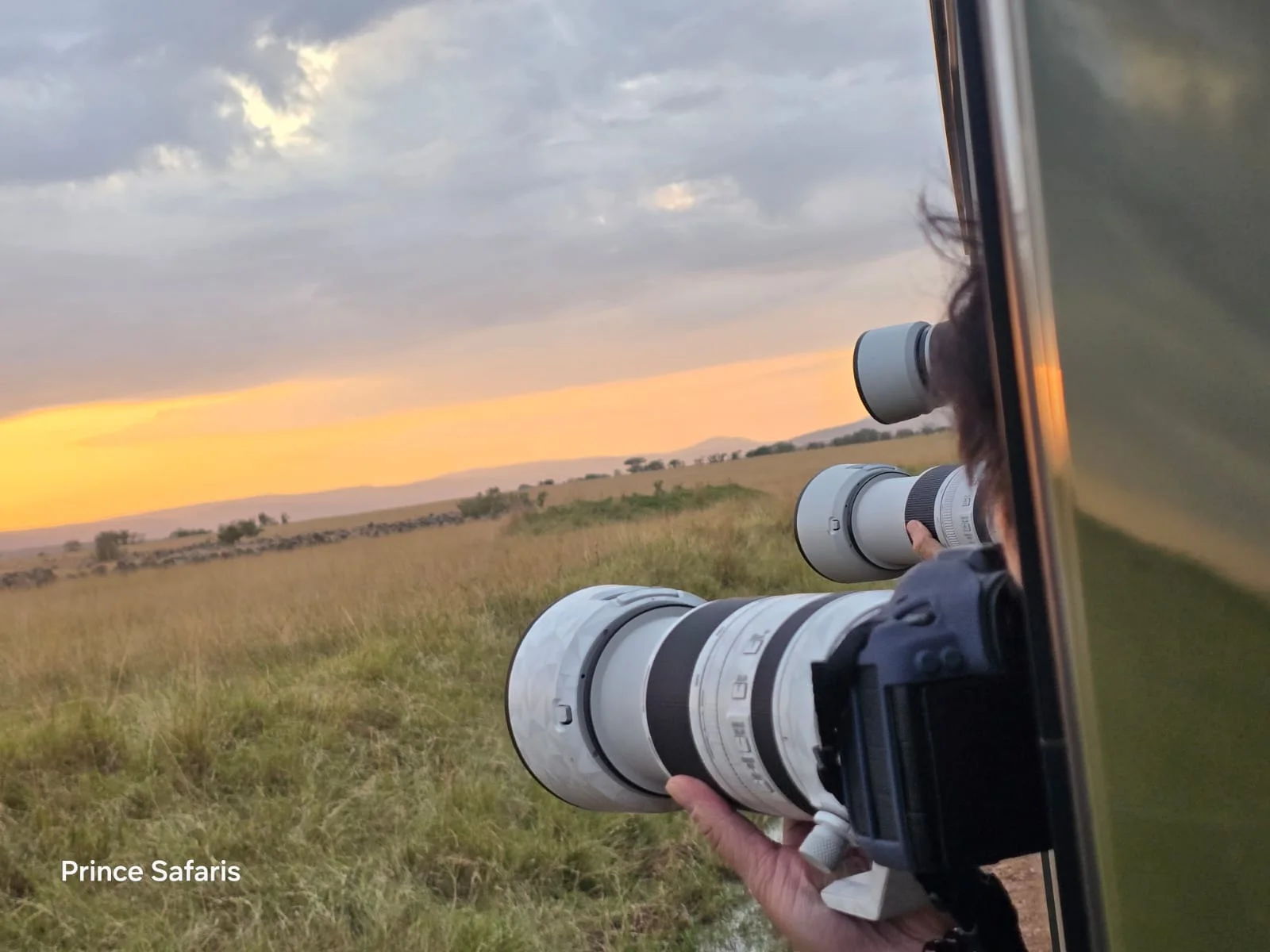
Photographic safaris prioritize time and positioning over covering distance. Early departures, patient waits, clean sight lines, less crowded conservancies where possible and guides comfortable with photographers can make a major difference.
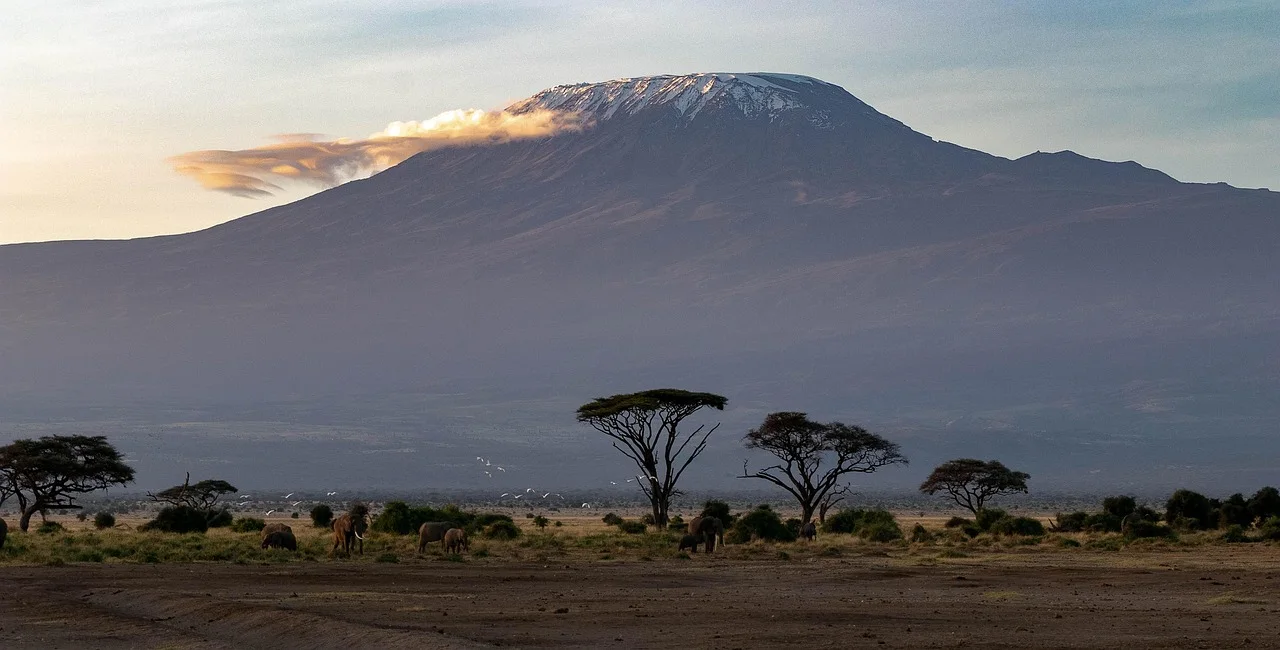
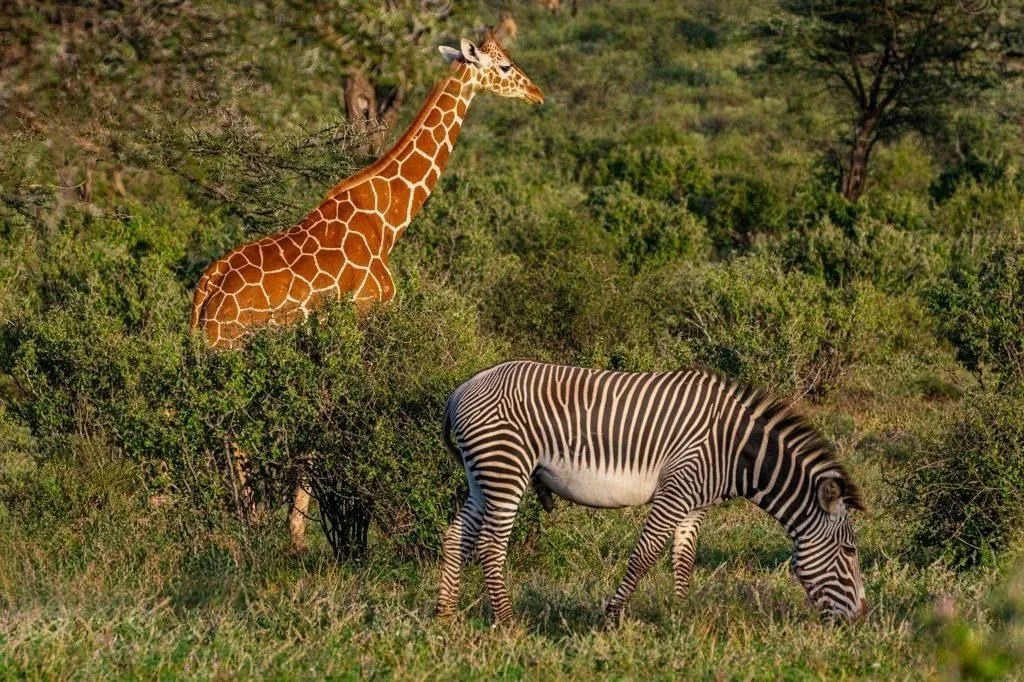
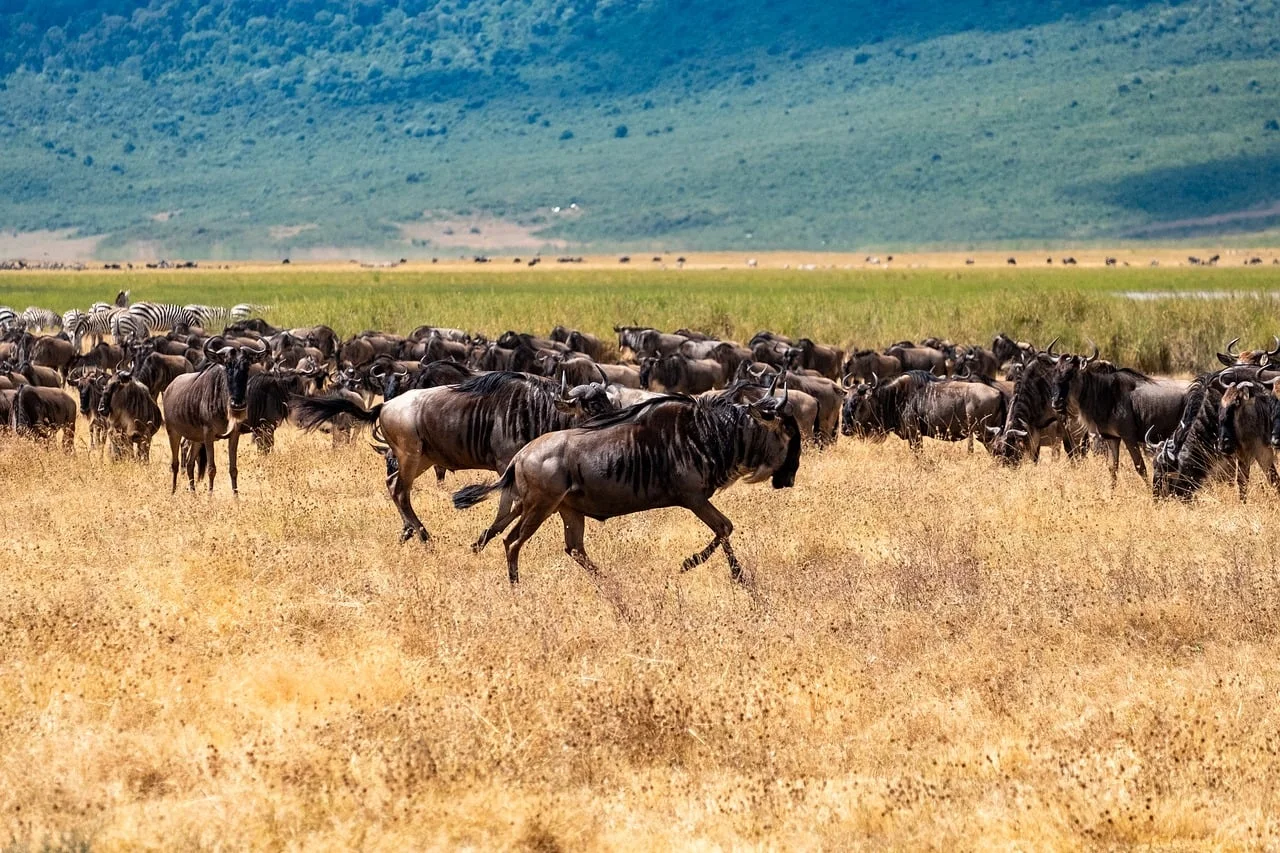
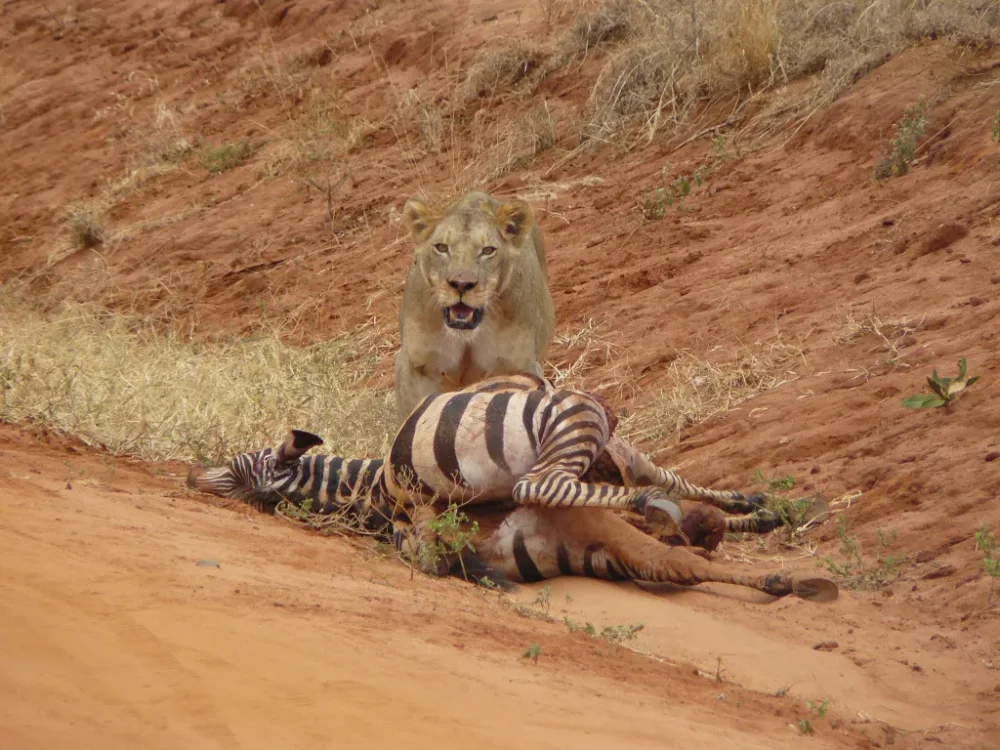
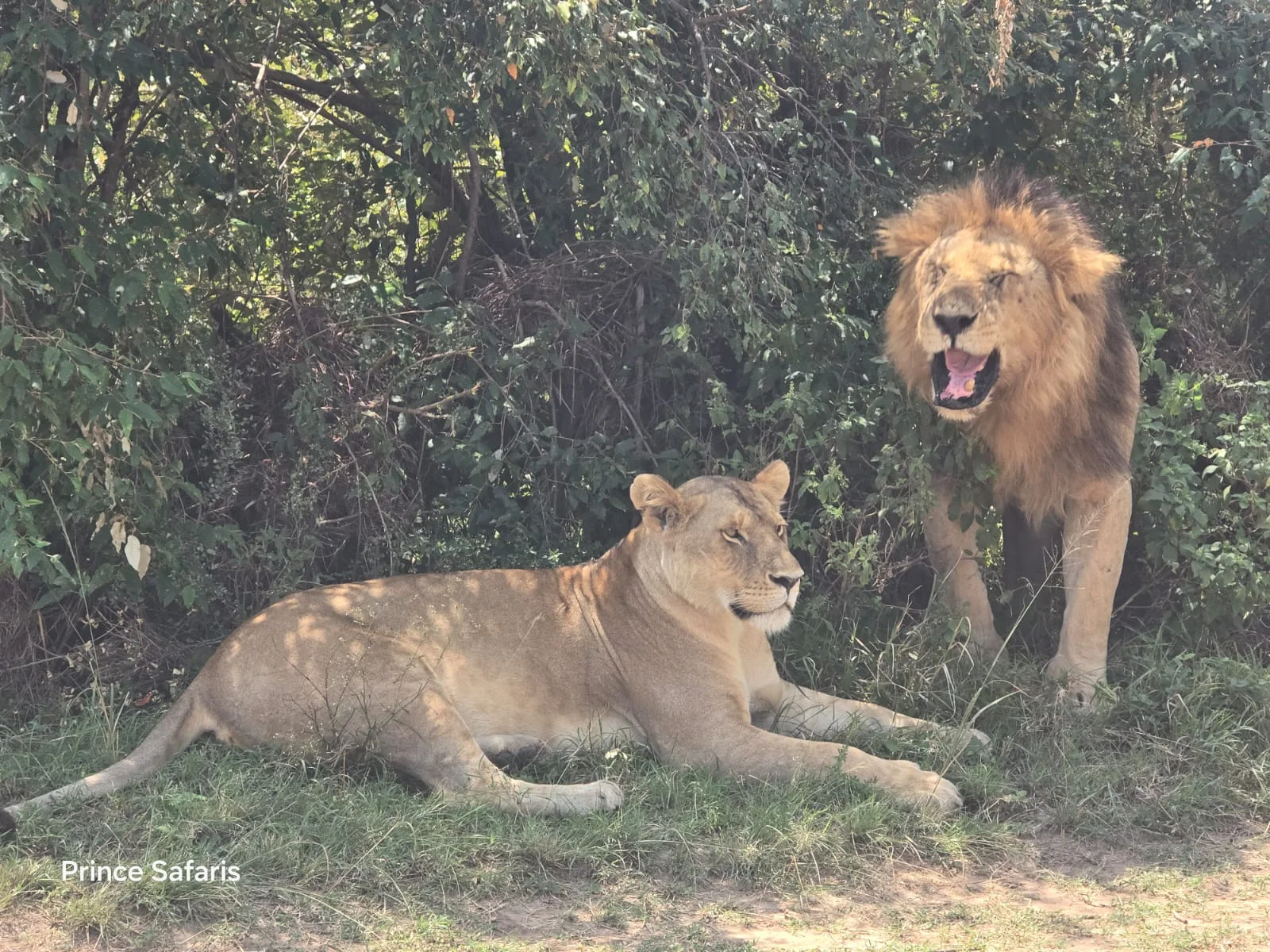
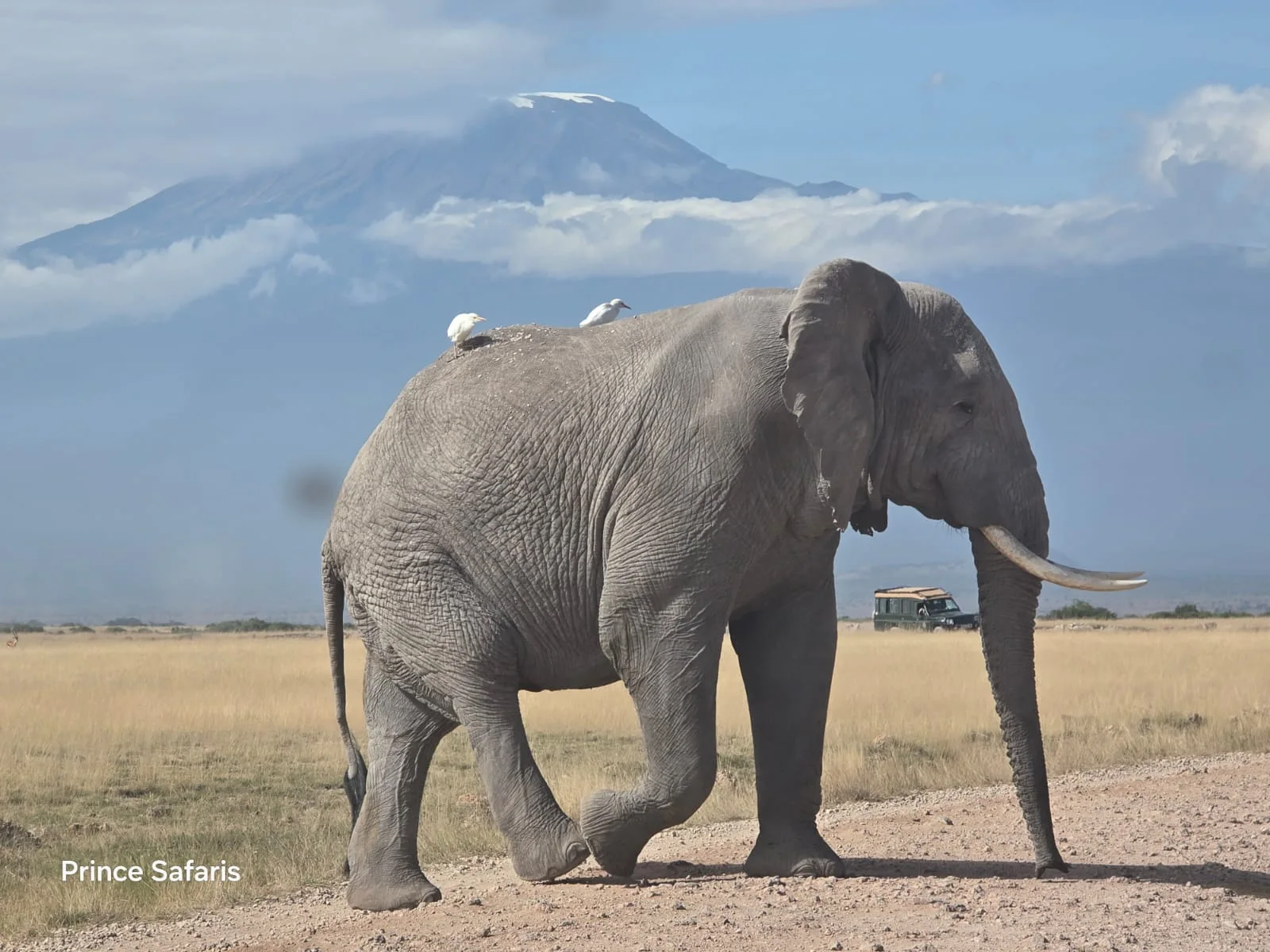
What it entails in practice: A safari designed around light, angles, time at sightings and the practical needs of camera equipment. it prioritises quality encounters over distance covered and usually benefits from a private vehicle or very small group. The strongest version is built around the Masai Mara, Amboseli, Samburu, Laikipia, Lake Nakuru and other visually strong landscapes chosen around the subjects you want to photograph.
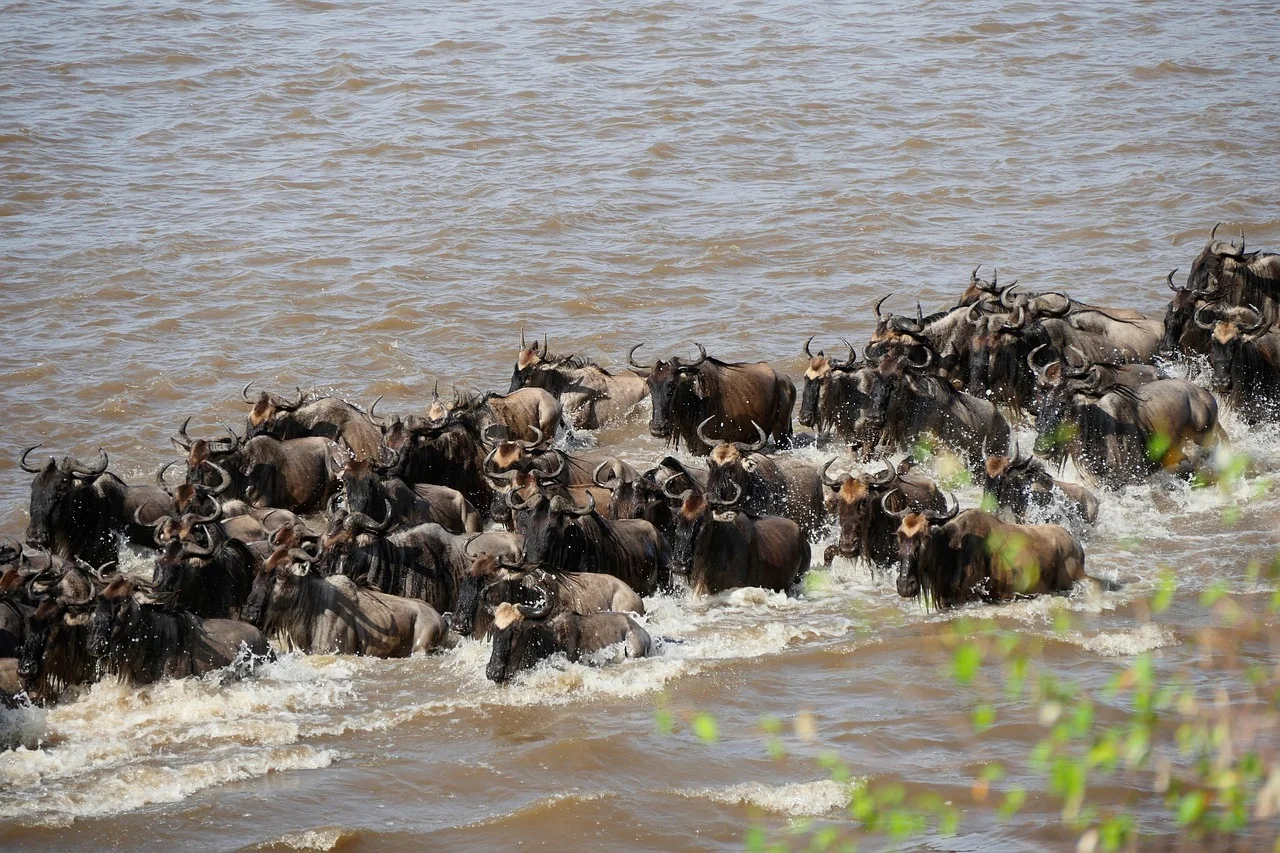
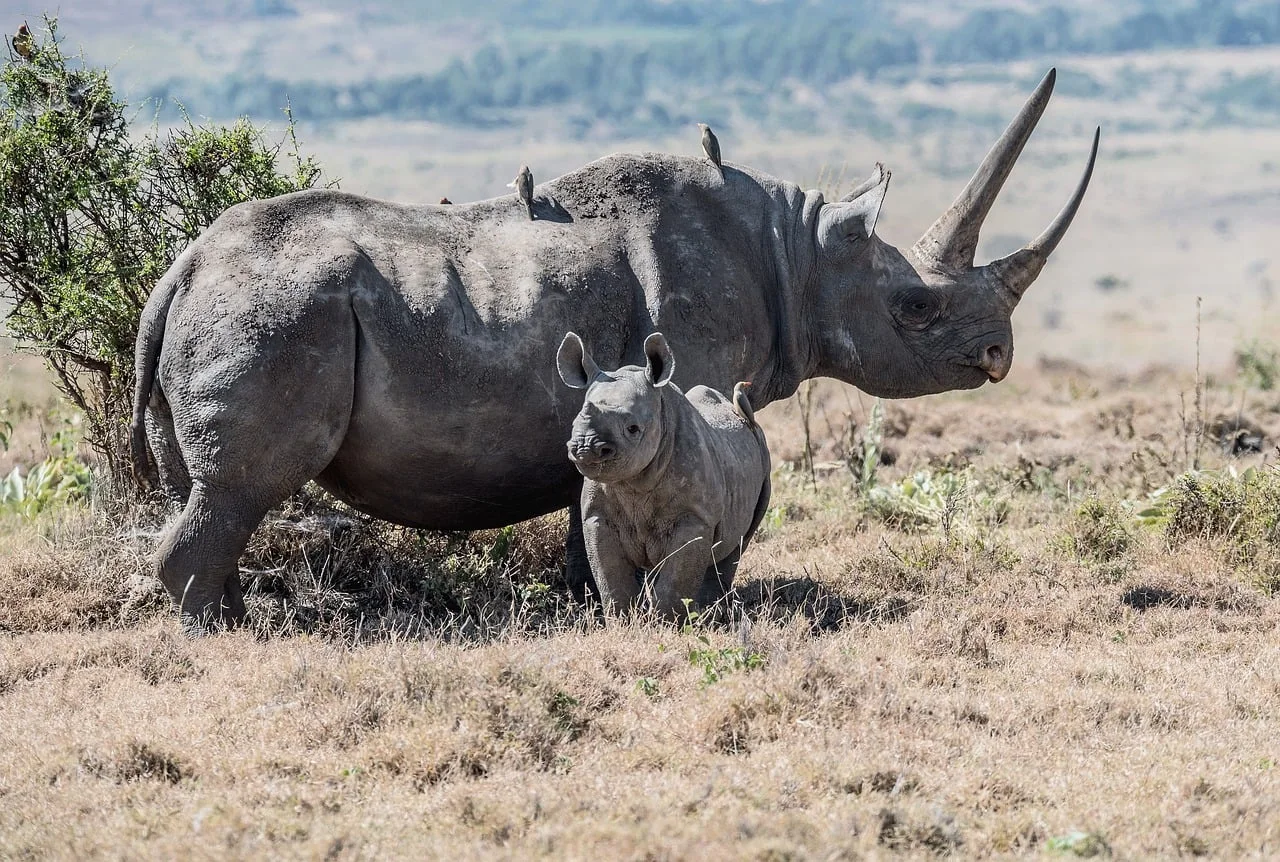
How Prince Safaris plans it: Discuss camera bodies, lenses, beanbags, charging, dust protection and seating before departure. The guide should understand positioning, backlight, backgrounds and when patience is more useful than chasing another sighting. The best season depends on subject: migration, elephants, birds, green landscapes and newborn animals all have different strengths. Dawn and late afternoon remain important for light throughout the year. Four to seven days works well for one or two strong areas; ten days or more allows slower specialist coverage across several ecosystems.
Who it suits and what to expect: It is especially well suited to serious photographers, content creators, keen hobbyists and travellers who value image-making as much as species count. The daily programme remains a framework rather than a wildlife guarantee; weather, access, animal movement and activity operating rules can change the exact sequence while preserving the main purpose of the journey.
Flexible by design: this experience can be combined with other wildlife areas, cultural activities, conservation programmes or beach extensions where the route allows.