Discover the stories of Kenya’s Swahili coast
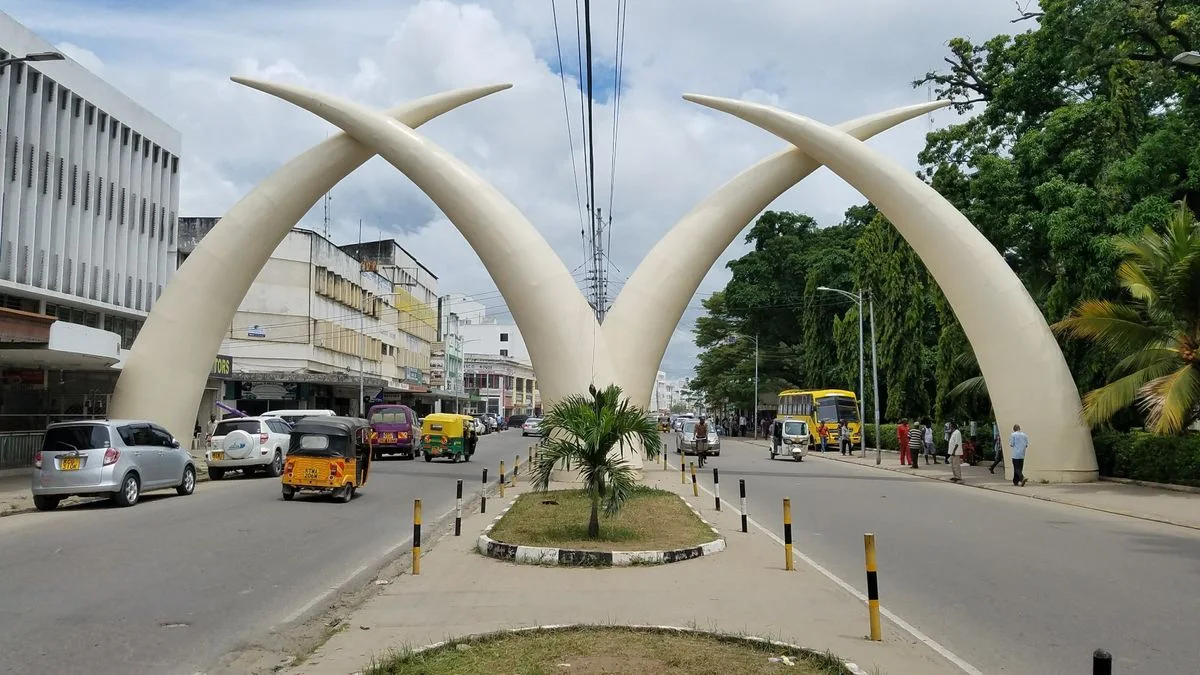
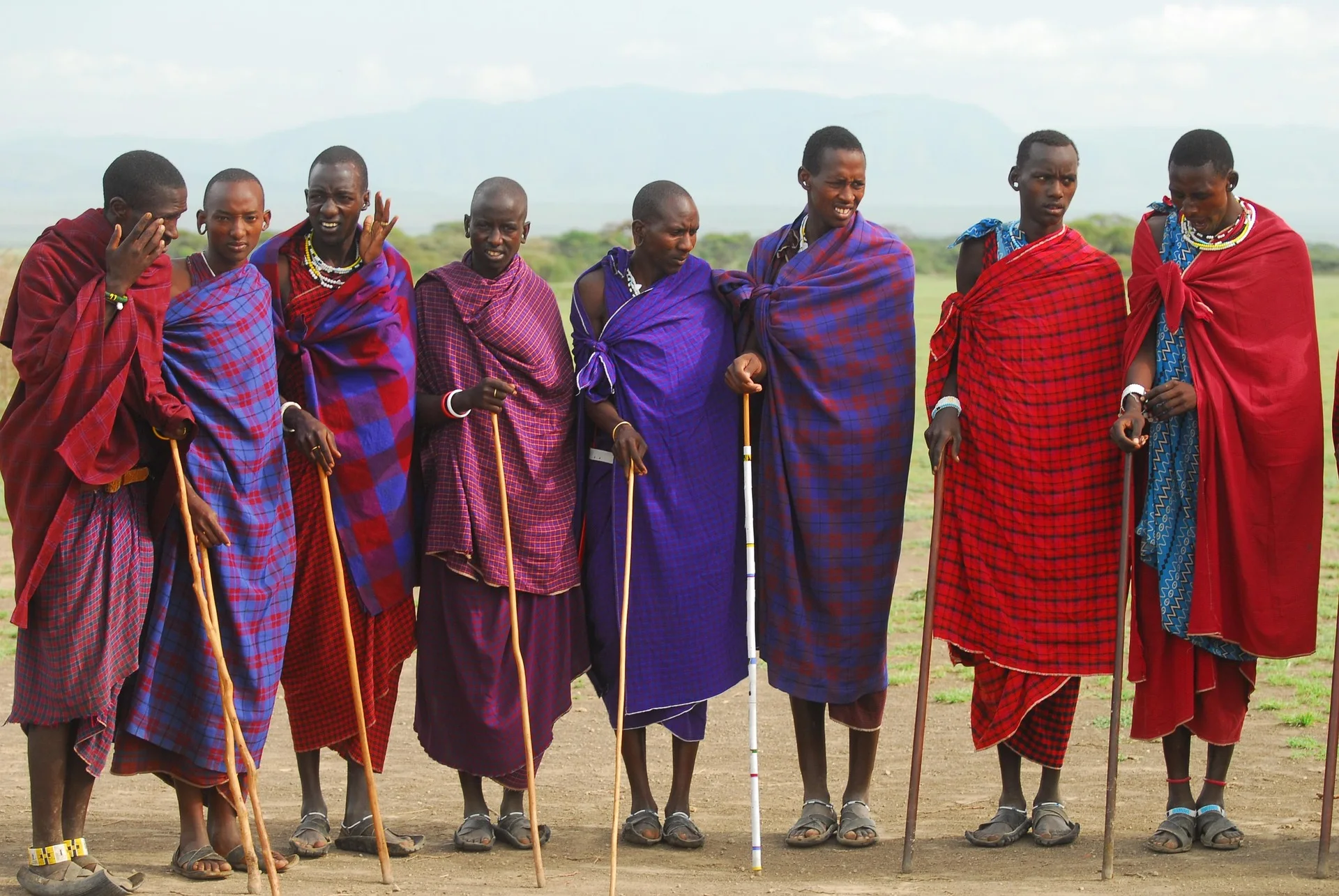
Mombasa and Lamu reveal a very different side of Kenya from the safari parks. Historic streets, coastal architecture, long-distance trading history and Swahili culture make them strong cultural additions to a beach holiday.
What it entails in practice: A cultural journey into centuries of indian ocean trade, swahili urban life, architecture, religion, food and the exchanges between african, arab, persian, indian and european influences along the coast. The strongest version is built around Mombasa Old Town and Fort Jesus, Lamu Old Town, Malindi and other historic Swahili coast locations with meaningful local interpretation.
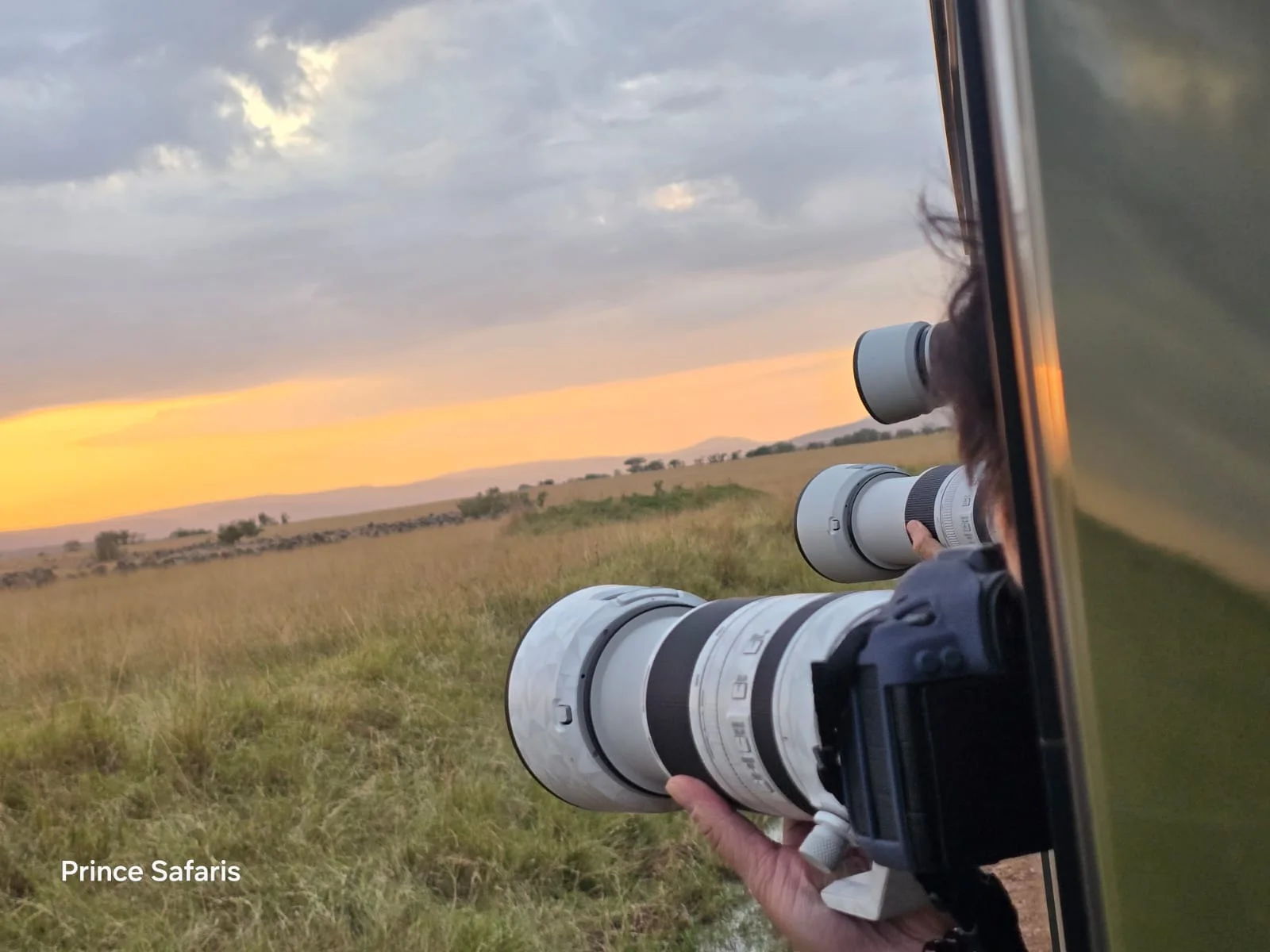
How Prince Safaris plans it: Use knowledgeable local guides and allow time to walk, listen and ask questions. Dress and photography should respect local customs, religious spaces and private homes. Heritage visits work year-round, although heat and rain affect walking comfort. Morning or late-afternoon tours are often easier in coastal towns. A half-day is enough for a focused Old Town visit; two to four days gives time for museums, food, local neighbourhoods and nearby coastal excursions.
Who it suits and what to expect: It is especially well suited to history lovers, cultural travellers, families with older children and safari guests who want more context than a beach-only stay. The daily programme remains a framework rather than a wildlife guarantee; weather, access, animal movement and activity operating rules can change the exact sequence while preserving the main purpose of the journey.
Flexible by design: this experience can be combined with other wildlife areas, cultural activities, conservation programmes or beach extensions where the route allows.