Tailor-made wildlife safaris, beach holidays and cultural journeys across East Africa

Meru National Park

National Park · Eastern Kenya · Kenya

Meru National Park

Meru National Park is one of Kenya’s most rewarding choices for travellers seeking classic wildlife in a spacious, less-visited setting. Rivers and streams cross a landscape of grassland, wooded savannah and doum-palm country…

Destination guide

Why visit Meru National Park?

Meru National Park is one of Kenya’s most rewarding choices for travellers seeking classic wildlife in a spacious, less-visited setting. Rivers and streams cross a landscape of grassland, wooded savannah and doum-palm country, creating a greener and more varied environment than many people expect from eastern Kenya. The park has deep conservation history through the story of Elsa the lioness and the Born Free legacy, while modern Meru also protects an important rhino sanctuary. Its relative remoteness keeps visitor density lower than in the Mara or Amboseli. That makes it well suited to travellers who enjoy exploration and do not need constant vehicle traffic to confirm where animals are. For Prince Safaris itinerary design, Meru National Park works best when the number of nights matches the size and style of the protected area rather than treating it as a box to tick. We connect it with complementary destinations in Eastern Kenya and beyond, balancing road or flight time with enough hours on the ground for wildlife, landscape and photography. Game viewing is always shaped by season, weather and natural animal movement, so our guides keep daily routes flexible instead of promising fixed sightings.

Protected areaNational Park
Safari circuitEastern Kenya
Published safaris0
Journey types2
Best for
Low-density safariBig Five potentialrhino conservationBorn Free historyrepeat travellersphotographers

How this destination is used

Wildlife Safaris

Wildlife-led journeys through Kenya’s national parks, reserves and private conservancies, designed around game drives, big-cat viewing, the Big…

See related destinations

Cultural Experiences

People-and-place journeys that add meaningful cultural context to a Kenya holiday. Experiences may include respectfully hosted Maasai, Samburu or…

See related destinations
Wildlife & landscape

What to see in Meru National Park

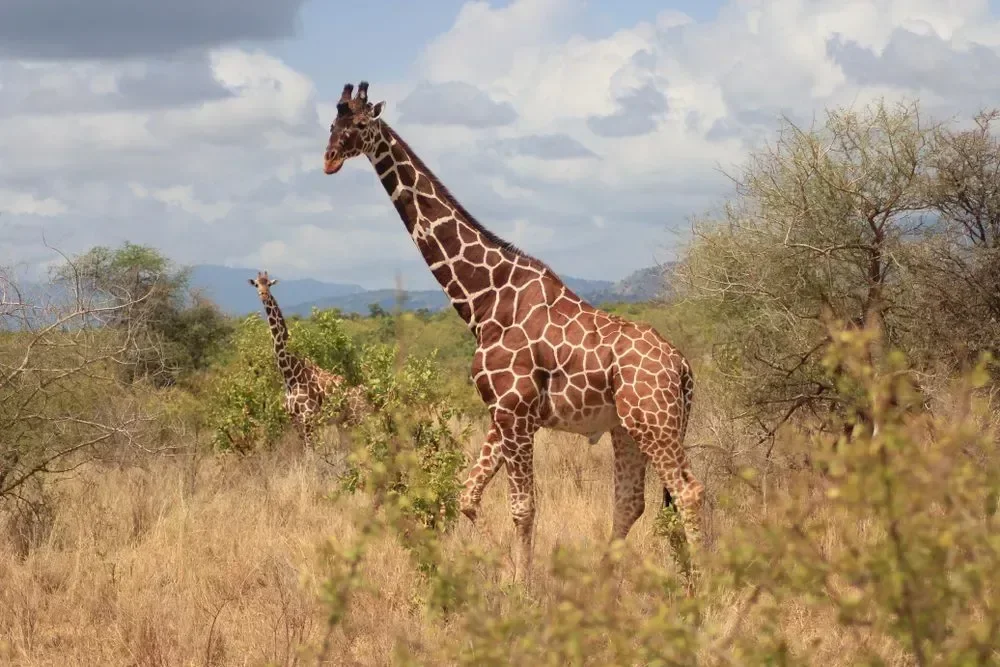
Elephant, lion, leopard, cheetah, buffalo, giraffe, zebra, antelope and hippo occur, along with black and white rhino within protected areas. Rivers support crocodiles and rich birdlife. Wildlife may be more dispersed than in smaller parks, so game drives reward time and experienced guiding. Meru’s appeal lies in both species diversity and a strong sense of wilderness. Wildlife is free-ranging and sightings cannot be guaranteed. The strongest safari approach is to read habitat, tracks, weather and animal behaviour with an experienced guide rather than chase a fixed checklist.

Plan the details

When to go and how to plan

Use these notes as a practical starting point. Final routing and timings are confirmed when your dates and full itinerary are known.

Best time to visit

Seasonal planning

Wildlife viewing is generally easiest in drier periods, when vegetation is less dense and animals concentrate more around water, but Meru remains attractive in greener months when the landscape is exceptionally lush. Heavy rain can affect tracks. Because the park is crossed by permanent watercourses, it retains a distinctive green character through much of the year. Seasonal patterns are a guide, not a promise. Rainfall varies from year to year, and current road, trail, water and wildlife conditions should be checked close to departure.

Getting there

Road & air access

Meru is reached by road from Nairobi through the central/eastern highlands or by light aircraft to park airstrips. It combines well with Mount Kenya, Lewa, Samburu and Kora, although road distances need careful planning. A fly-in or mixed road-and-flight itinerary can make a northern/eastern circuit much more comfortable. Prince Safaris plans the access route around your previous and next stop so that transfer time supports the journey instead of consuming it. Final gate, airstrip and road choices are confirmed against current operating conditions.

Practical notes

Before you travel

Allow at least two nights and preferably three if Meru is a major focus. Carry binoculars and be prepared for longer exploratory drives between sightings. Confirm the current condition of remote roads after heavy rain. If visiting rhino areas or conservation facilities, follow all security and ranger instructions. Meru is ideal for travellers who value wilderness over a checklist-style safari. Across all protected and natural areas, follow ranger and guide instructions, keep an appropriate distance from wildlife, avoid littering and never feed animals. Current fees, activity rules and opening arrangements should be reconfirmed before travel.

Destination itinerary request

Plan Meru National Park

Share enough detail for our team to design a useful route around this destination.

Selected destinationMeru National Park

This sends an enquiry to the dashboard. It does not confirm a booking or take payment.

Plan with confidence

Map and practical questions

Use the map to understand the location, then review answers to common planning questions about Meru National Park.

Location

Meru National Park on the map

Frequently asked questions

Before you visit

Why choose Meru instead of a busier park?

Meru combines strong wildlife diversity with lower visitor density and a more exploratory wilderness feel.

Can I see rhinos in Meru?

Meru has an important rhino sanctuary with black and white rhinos, although all wildlife sightings remain subject to natural movement and access rules.

How many days are ideal in Meru?

Two to three nights gives a much better experience than a rushed one-night stop because the park is large and wildlife can be dispersed.

What is the best time to visit Meru National Park?

Wildlife viewing is generally easiest in drier periods, when vegetation is less dense and animals concentrate more around water, but Meru remains attractive in greener months when the landscape is exceptionally lush. Heavy rain can affect tracks.

How do I get to Meru National Park?

Meru is reached by road from Nairobi through the central/eastern highlands or by light aircraft to park airstrips. It combines well with Mount Kenya, Lewa, Samburu and Kora, although road distances need careful planning.

What should I pack for Meru National Park?

Allow at least two nights and preferably three if Meru is a major focus. Carry binoculars and be prepared for longer exploratory drives between sightings.

National Park · Tailor-made planning

Plan your Meru National Park safari

Tell us when you want to travel, who is joining you and the experiences that matter most. We will build a practical route around Meru National Park and connect it with the right surrounding destinations.

View matching tours