Tailor-made wildlife safaris, beach holidays and cultural journeys across East Africa

Marsabit National Park

National Park · Northern Kenya · Kenya

Marsabit National Park

Marsabit National Park rises like a green island above the arid landscapes of northern Kenya, protecting montane forest, volcanic crater lakes and a distinctive wildlife history. The dramatic transition from desert road to cool…

Destination guide

Why visit Marsabit National Park?

Marsabit National Park rises like a green island above the arid landscapes of northern Kenya, protecting montane forest, volcanic crater lakes and a distinctive wildlife history. The dramatic transition from desert road to cool, misty highland gives Marsabit an expedition character unlike almost any other park in the country. Kenya Wildlife Service highlights the park’s extinct volcanic craters, locally known as gofs, and Lake Paradise, one of its best-known crater lakes. Marsabit is also inseparable from the story of Ahmed, the legendary large-tusked elephant once given special state protection. The forested mountain functions as an ecological refuge in a very dry region, creating a powerful contrast for photographers and travellers crossing northern Kenya. For Prince Safaris itinerary design, Marsabit National Park works best when the number of nights matches the size and style of the protected area rather than treating it as a box to tick. We connect it with complementary destinations in Northern Kenya and beyond, balancing road or flight time with enough hours on the ground for wildlife, landscape and photography. Game viewing is always shaped by season, weather and natural animal movement, so our guides keep daily routes flexible instead of promising fixed sightings.

Protected areaNational Park
Safari circuitNorthern Kenya
Published safaris1
Journey types2
Best for
Expedition travelcrater lakeselephant historyforest scenerybirdingnorthern Kenya road trips

How this destination is used

Wildlife Safaris

Wildlife-led journeys through Kenya’s national parks, reserves and private conservancies, designed around game drives, big-cat viewing, the Big…

See related destinations

Cultural Experiences

People-and-place journeys that add meaningful cultural context to a Kenya holiday. Experiences may include respectfully hosted Maasai, Samburu or…

See related destinations
Wildlife & landscape

What to see in Marsabit National Park

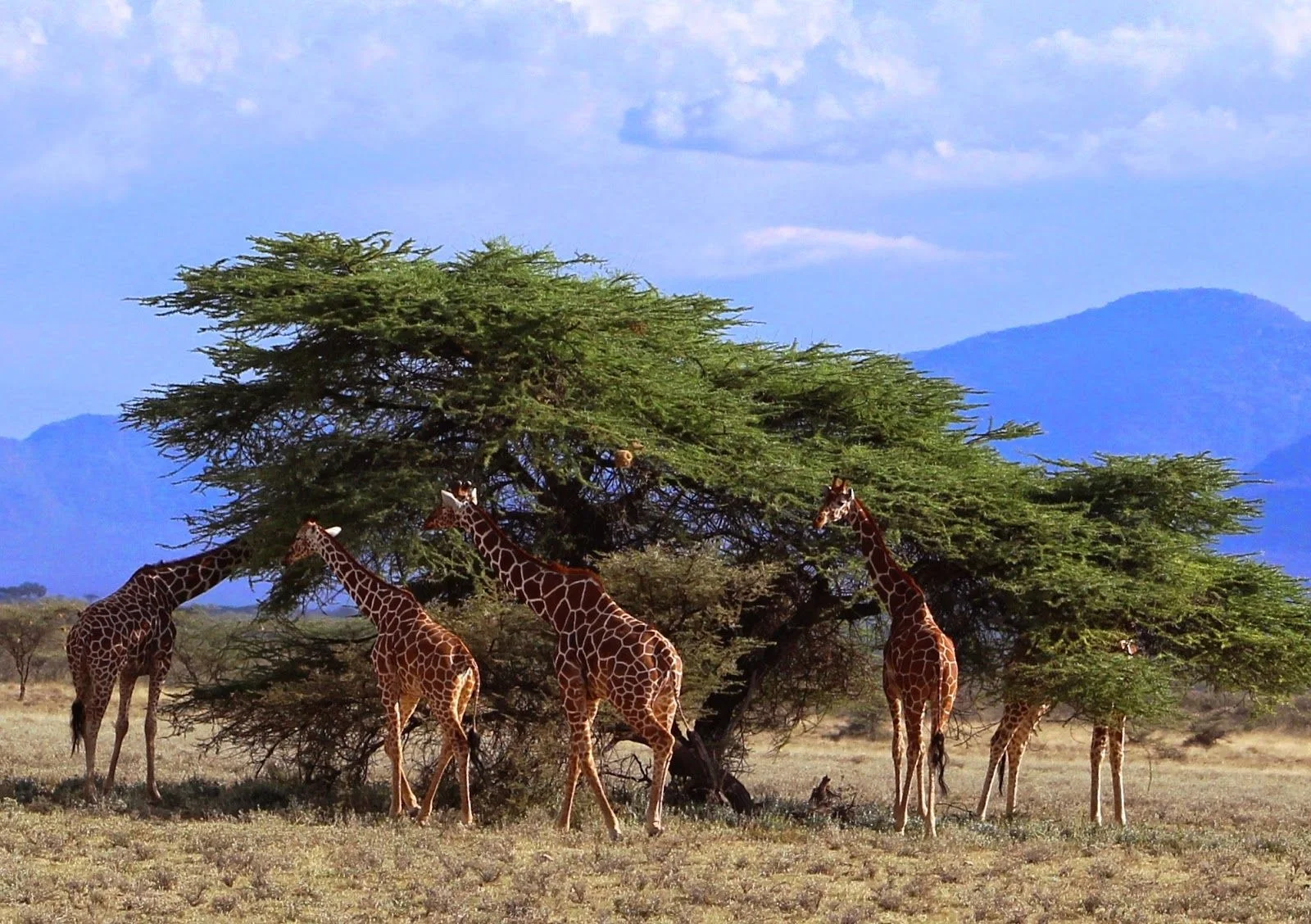
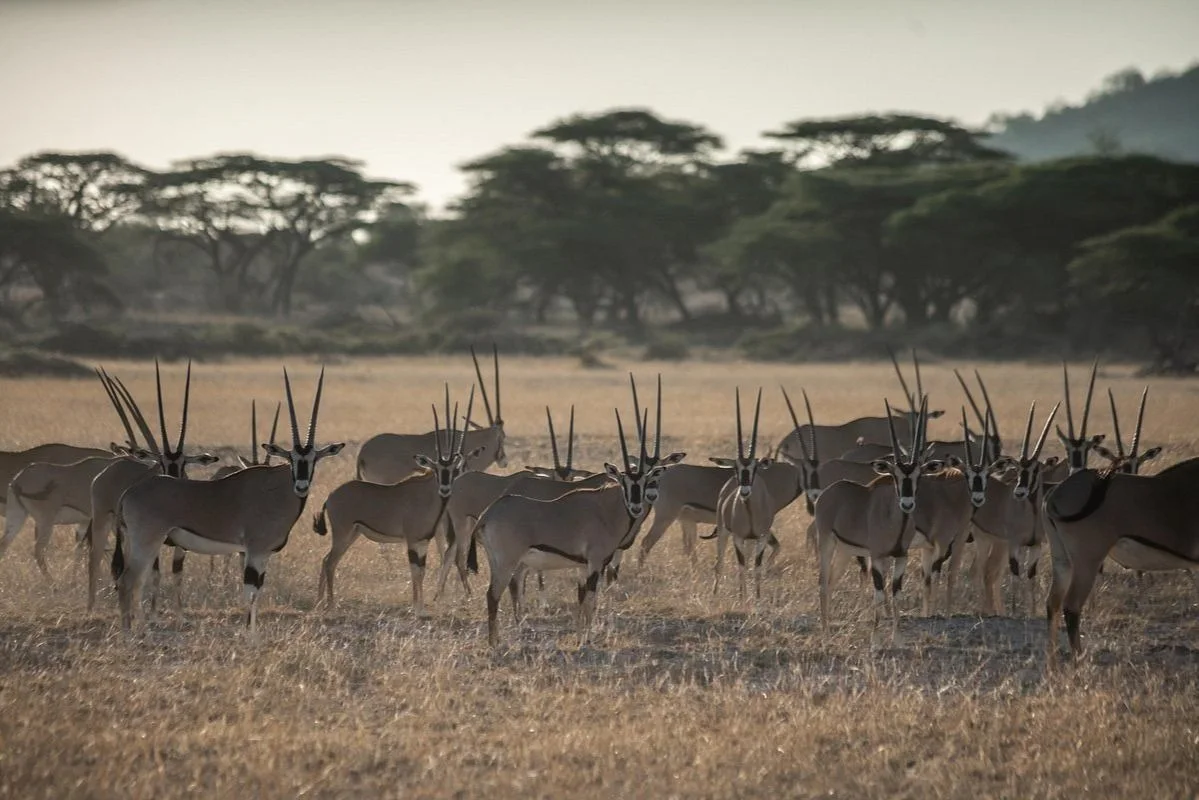
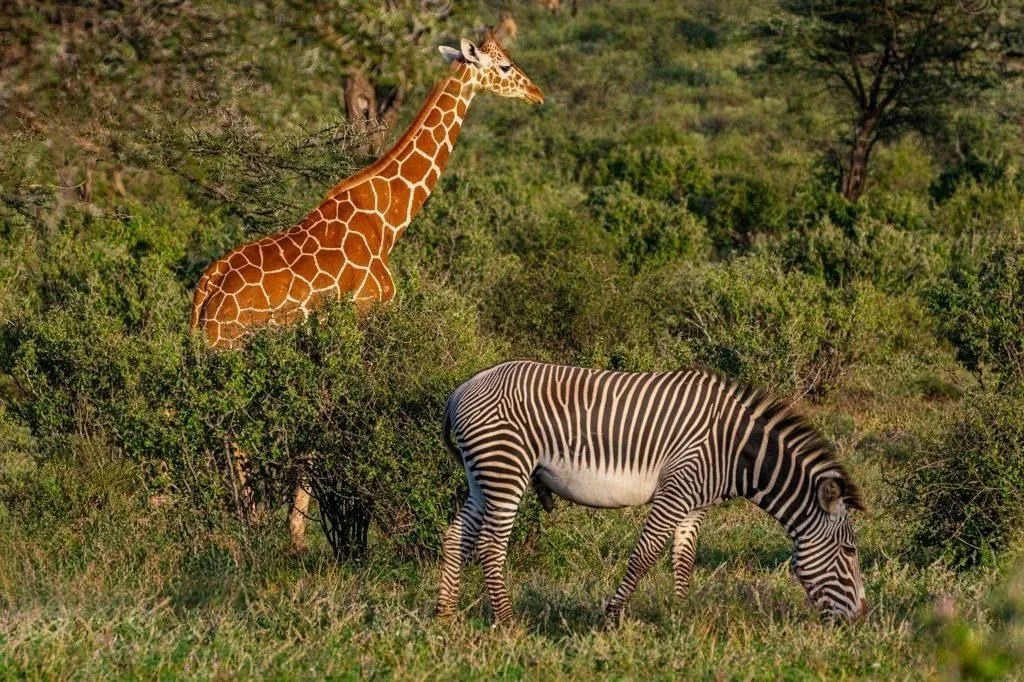
Elephants are central to Marsabit’s identity, while buffalo, giraffe, antelope, primates and predators may also occur. Forest and crater habitats support diverse birdlife. Wildlife can be more difficult to spot in dense vegetation than on open savannah, so the quality of a Marsabit visit comes from combining game viewing with crater scenery, forest atmosphere and northern-Kenya context. Wildlife is free-ranging and sightings cannot be guaranteed. The strongest safari approach is to read habitat, tracks, weather and animal behaviour with an experienced guide rather than chase a fixed checklist.

Plan the details

When to go and how to plan

Use these notes as a practical starting point. Final routing and timings are confirmed when your dates and full itinerary are known.

Best time to visit

Seasonal planning

Drier periods generally make the long road journey and internal tracks easier, while wet weather can create challenging surfaces. The forested highlands are cooler and may be misty even when surrounding lowlands are hot. Birding and lush scenery can be particularly rewarding after rain, but expedition logistics should always take road conditions into account. Seasonal patterns are a guide, not a promise. Rainfall varies from year to year, and current road, trail, water and wildlife conditions should be checked close to departure.

Getting there

Road & air access

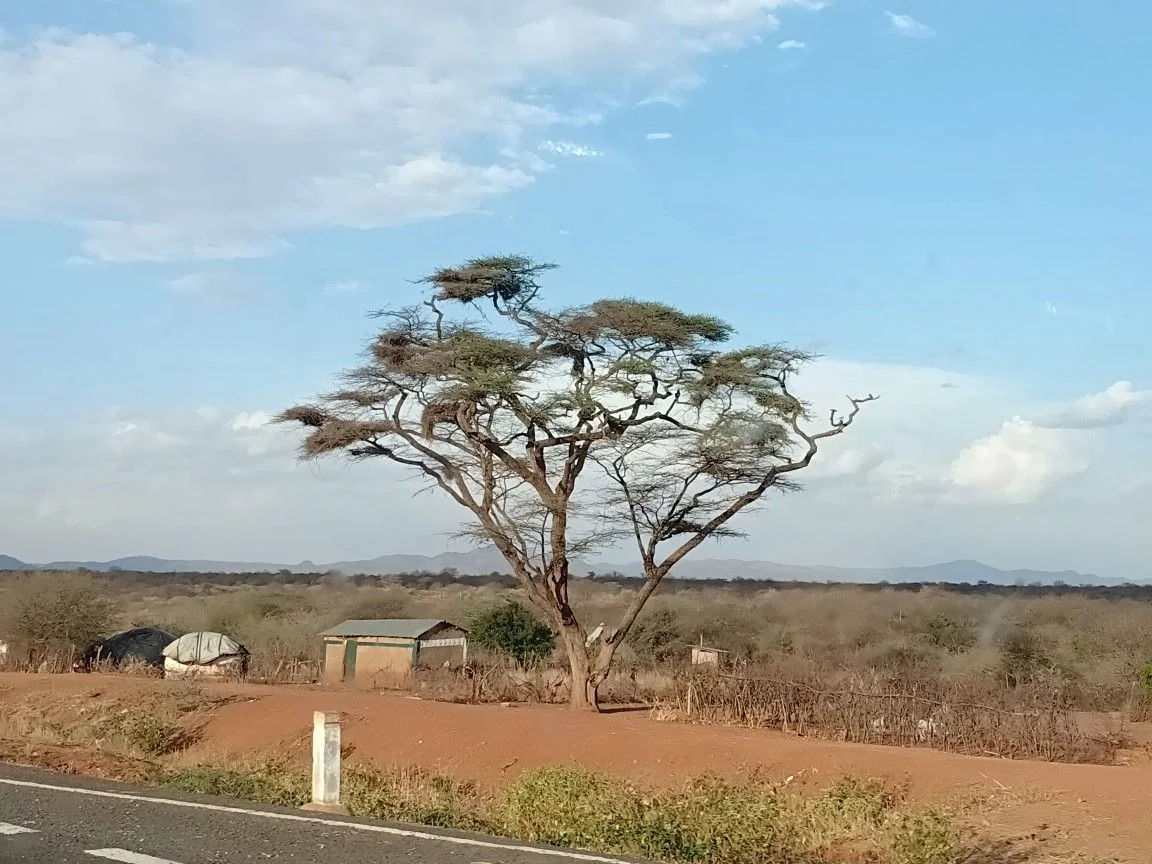
KWS places Marsabit roughly 570 km from Nairobi by road via Nanyuki and Isiolo. It is therefore best included in a multi-day northern expedition rather than a rushed standalone trip. Routes may continue toward Samburu, Lake Turkana or other northern destinations depending on road conditions and time available. Prince Safaris plans the access route around your previous and next stop so that transfer time supports the journey instead of consuming it. Final gate, airstrip and road choices are confirmed against current operating conditions.

Practical notes

Before you travel

Carry layers for the highland forest as well as sun protection for the surrounding arid region. A reliable 4x4, drinking water and conservative fuel planning are important on longer northern routes. Allow enough time to explore rather than arriving late and leaving early. Wildlife should be viewed quietly around crater lakes, which can be sensitive gathering areas. Across all protected and natural areas, follow ranger and guide instructions, keep an appropriate distance from wildlife, avoid littering and never feed animals. Current fees, activity rules and opening arrangements should be reconfirmed before travel.

Match your travel style

Experiences that work well here

These tags are generated from published Prince Safaris packages that currently visit Marsabit National Park.

Destination itinerary request

Plan Marsabit National Park

Share enough detail for our team to design a useful route around this destination.

Selected destinationMarsabit National Park

This sends an enquiry to the dashboard. It does not confirm a booking or take payment.

Plan with confidence

Map and practical questions

Use the map to understand the location, then review answers to common planning questions about Marsabit National Park.

Location

Marsabit National Park on the map

Frequently asked questions

Before you visit

What makes Marsabit different from other Kenya parks?

Its forested volcanic mountain and crater lakes rise from an otherwise arid northern landscape, creating a rare highland oasis and a very different safari atmosphere.

Who was Ahmed the elephant?

Ahmed was a famous large-tusked elephant associated with Marsabit and became an enduring symbol of Kenya’s wildlife-conservation history.

Can Marsabit be combined with Lake Turkana?

Yes. It is a classic staging point on some northern Kenya expeditions, although road conditions, distances and security advice must be checked before travel.

What is the best time to visit Marsabit National Park?

Drier periods generally make the long road journey and internal tracks easier, while wet weather can create challenging surfaces. The forested highlands are cooler and may be misty even when surrounding lowlands are hot.

How do I get to Marsabit National Park?

KWS places Marsabit roughly 570 km from Nairobi by road via Nanyuki and Isiolo. It is therefore best included in a multi-day northern expedition rather than a rushed standalone trip.

What should I pack for Marsabit National Park?

Carry layers for the highland forest as well as sun protection for the surrounding arid region. A reliable 4x4, drinking water and conservative fuel planning are important on longer northern routes.

Suggested journeys

Tours featuring Marsabit National Park

Tours remain grouped by their primary journey type even when they share this destination.

Cultural Experiences

All Cultural Experiences
National Park · Tailor-made planning

Plan your Marsabit National Park safari

Tell us when you want to travel, who is joining you and the experiences that matter most. We will build a practical route around Marsabit National Park and connect it with the right surrounding destinations.

View matching tours