Tailor-made wildlife safaris, beach holidays and cultural journeys across East Africa

Kakamega Forest

Forest · Western Kenya · Kenya

Kakamega Forest

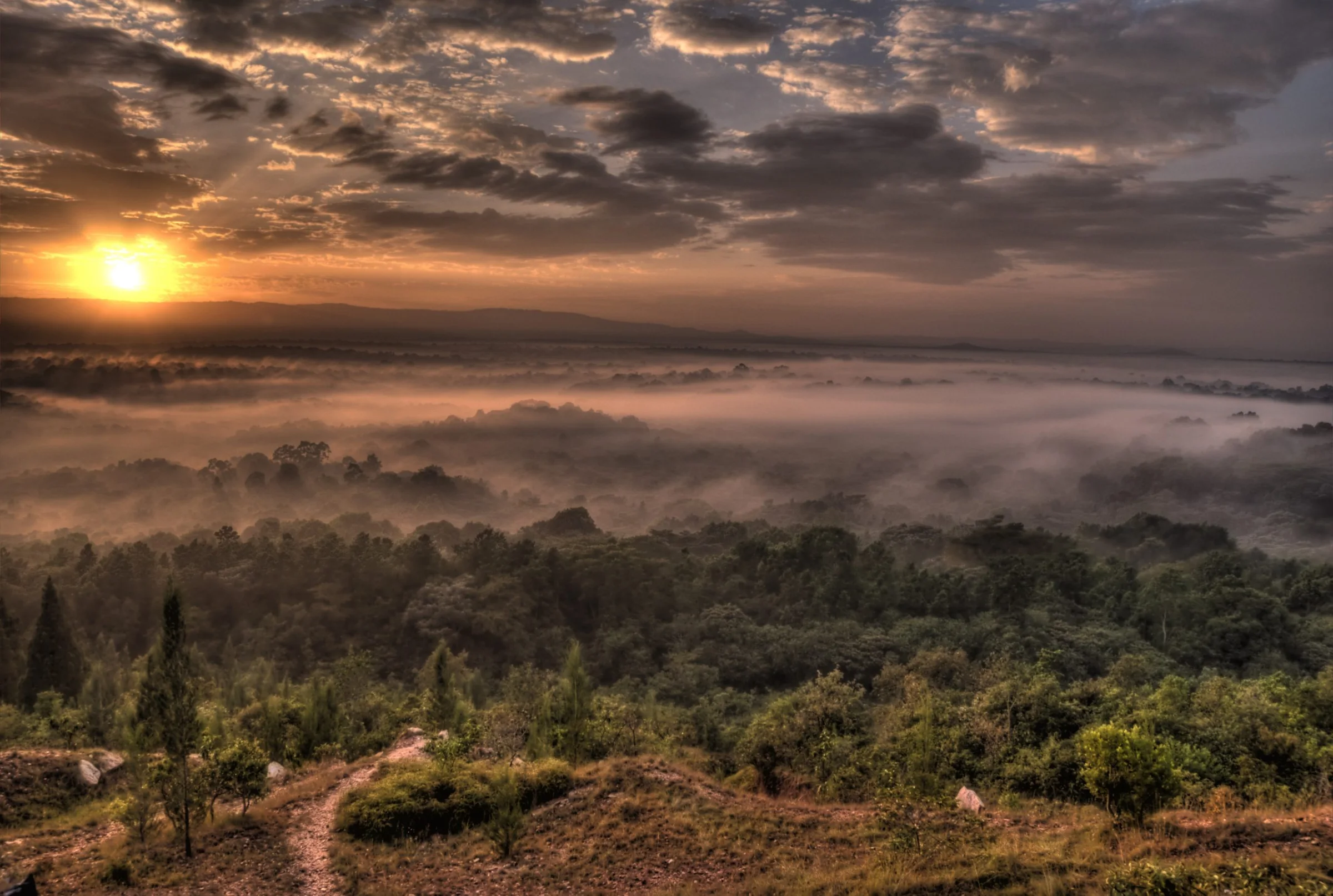
Kakamega Forest is Kenya’s premier tropical-forest destination and one of the country’s richest places for travellers interested in birds, primates, butterflies, botany and guided walking. The forest provides a humid, green…

Destination guide

Why visit Kakamega Forest?

Kakamega Forest is Kenya’s premier tropical-forest destination and one of the country’s richest places for travellers interested in birds, primates, butterflies, botany and guided walking. The forest provides a humid, green contrast to the open savannah and semi-arid landscapes that dominate many safari itineraries. Kenya Wildlife Service describes the reserve as a surviving remnant of the ancient Guineo-Congolian rainforest system. Under the canopy, the experience is immersive: bird calls, insects, monkeys and filtered light become more important than long-distance game viewing. Natural glades, streams and forest trails create opportunities for slow observation and photography. It is particularly rewarding for repeat visitors who want to understand Kenya as a country of multiple ecosystems rather than only big-game plains. For Prince Safaris itinerary design, Kakamega Forest adds specialist habitat and a different pace to a Kenya journey. We combine it with complementary stops in Western Kenya so that travel time remains worthwhile. The experience is guided by current conditions, responsible access and realistic wildlife expectations.

Protected areaForest
Safari circuitWestern Kenya
Published safaris0
Journey types2
Best for
Birdwatchingprimatesbutterfliesforest ecologywalkingspecialist nature travelwestern Kenya

How this destination is used

Wildlife Safaris

Wildlife-led journeys through Kenya’s national parks, reserves and private conservancies, designed around game drives, big-cat viewing, the Big…

See related destinations

Cultural Experiences

People-and-place journeys that add meaningful cultural context to a Kenya holiday. Experiences may include respectfully hosted Maasai, Samburu or…

See related destinations
Wildlife & landscape

What to see in Kakamega Forest

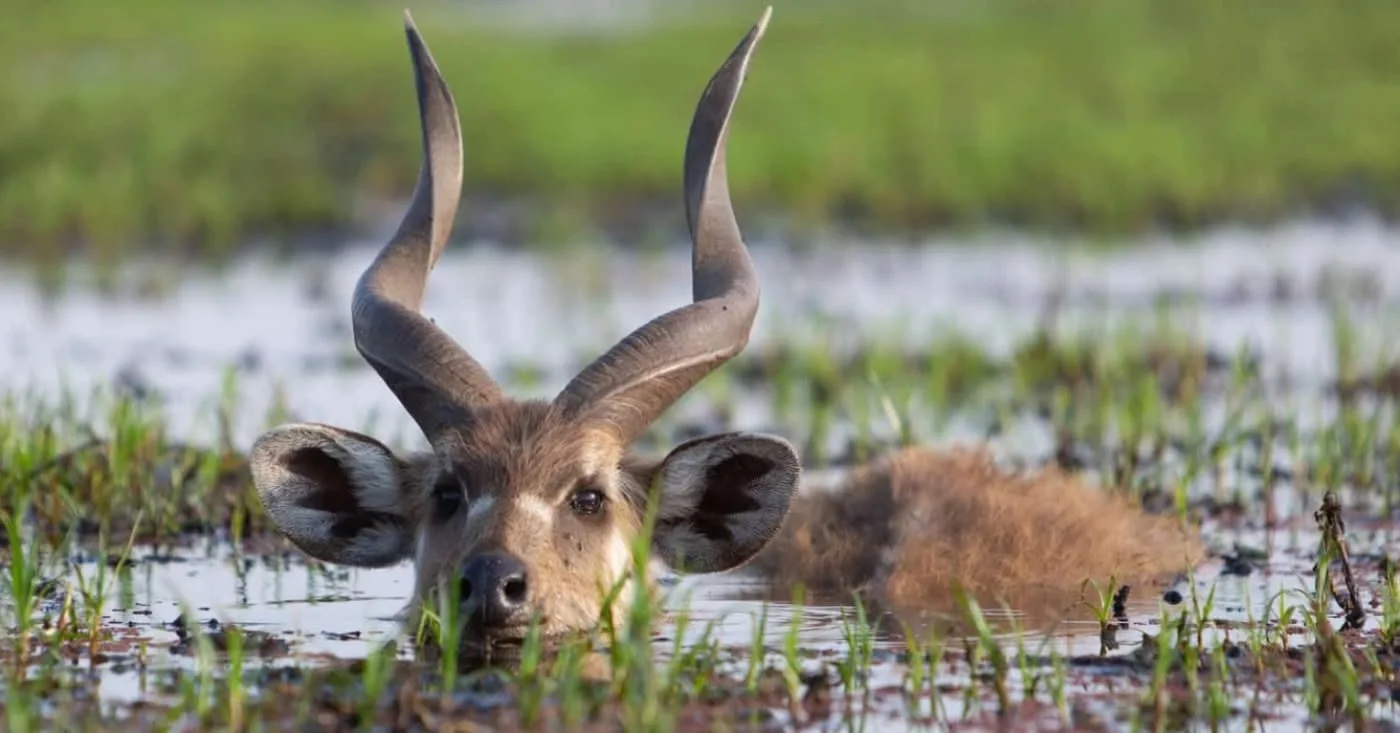
Primates, including De Brazza’s monkey in the wider forest ecosystem, are among the notable mammals, alongside smaller forest species. Bird diversity is the major draw, with forest specialists that are difficult or impossible to see on the standard southern safari circuit. Butterflies, reptiles and indigenous plant communities add further depth. Large game should not be the expectation; this is a biodiversity and specialist-natural-history destination. Wildlife is free-ranging and sightings cannot be guaranteed. The strongest safari approach is to read habitat, tracks, weather and animal behaviour with an experienced guide rather than chase a fixed checklist.

Plan the details

When to go and how to plan

Use these notes as a practical starting point. Final routing and timings are confirmed when your dates and full itinerary are known.

Best time to visit

Seasonal planning

Forest conditions are rewarding throughout the year, but rainfall influences trail surfaces, humidity and bird activity. Mornings are often the best time for guided birding and primate observation. In wetter periods, waterproof footwear and rain protection become important; in drier periods, trails can be more comfortable but the forest remains humid. Specialist birders should choose dates based on target species and migration patterns. Seasonal patterns are a guide, not a promise. Rainfall varies from year to year, and current road, trail, water and wildlife conditions should be checked close to departure.

Getting there

Road & air access

Kakamega lies in western Kenya and is normally reached by road from Nairobi, Kisumu or other western hubs, with onward road transfer to the selected forest entrance. It combines well with Lake Victoria-region travel, Ruma National Park, Saiwa Swamp and cultural or birding circuits in western Kenya. Because road distances from the classic southern safari circuit are significant, it deserves deliberate inclusion rather than being added as a rushed detour. Prince Safaris plans the access route around your previous and next stop so that transfer time supports the journey instead of consuming it. Final gate, airstrip and road choices are confirmed against current operating conditions.

Practical notes

Before you travel

Hire an experienced forest guide when birding or rare species are priorities. Bring binoculars, closed walking shoes, insect repellent, rain protection and a small dry bag for electronics. Forest photography benefits from lenses suited to low light. Move quietly, avoid playback or disturbance of sensitive birds unless guided responsibly, and never collect plants, insects or other natural material. Across all protected and natural areas, follow ranger and guide instructions, keep an appropriate distance from wildlife, avoid littering and never feed animals. Current fees, activity rules and opening arrangements should be reconfirmed before travel.

Destination itinerary request

Plan Kakamega Forest

Share enough detail for our team to design a useful route around this destination.

Selected destinationKakamega Forest

This sends an enquiry to the dashboard. It does not confirm a booking or take payment.

Plan with confidence

Map and practical questions

Use the map to understand the location, then review answers to common planning questions about Kakamega Forest.

Location

Kakamega Forest on the map

Frequently asked questions

Before you visit

Why is Kakamega Forest important for safari travellers?

It reveals a completely different Kenyan ecosystem, with tropical-forest birds, primates, butterflies and plants that are absent from the classic savannah circuit.

Will I see large safari animals in Kakamega?

Large game is not the main attraction. Come for forest biodiversity, birding and guided walking rather than a traditional Big Five drive.

How much time should birders allow?

At least one full morning and preferably two or more guided sessions give a much better chance to explore different forest habitats.

What is the best time to visit Kakamega Forest?

Forest conditions are rewarding throughout the year, but rainfall influences trail surfaces, humidity and bird activity. Mornings are often the best time for guided birding and primate observation.

How do I get to Kakamega Forest?

Kakamega lies in western Kenya and is normally reached by road from Nairobi, Kisumu or other western hubs, with onward road transfer to the selected forest entrance. It combines well with Lake Victoria-region travel, Ruma National Park, Saiwa Swamp and cultural or birding circuits in western Kenya.

What should I pack for Kakamega Forest?

Hire an experienced forest guide when birding or rare species are priorities. Bring binoculars, closed walking shoes, insect repellent, rain protection and a small dry bag for electronics.

Forest · Tailor-made planning

Plan your Kakamega Forest safari

Tell us when you want to travel, who is joining you and the experiences that matter most. We will build a practical route around Kakamega Forest and connect it with the right surrounding destinations.

View matching tours